
The automotive shoot is now a browser session.
AutoGen is a virtual film studio for cars. Choose the car, a camera move, a location. Generative AI develops it into finished advertising stills and film — natively up to 4K resolution. Nothing to model, nothing to keyframe, nothing to install.
Closed beta — bring a job, I'll run it
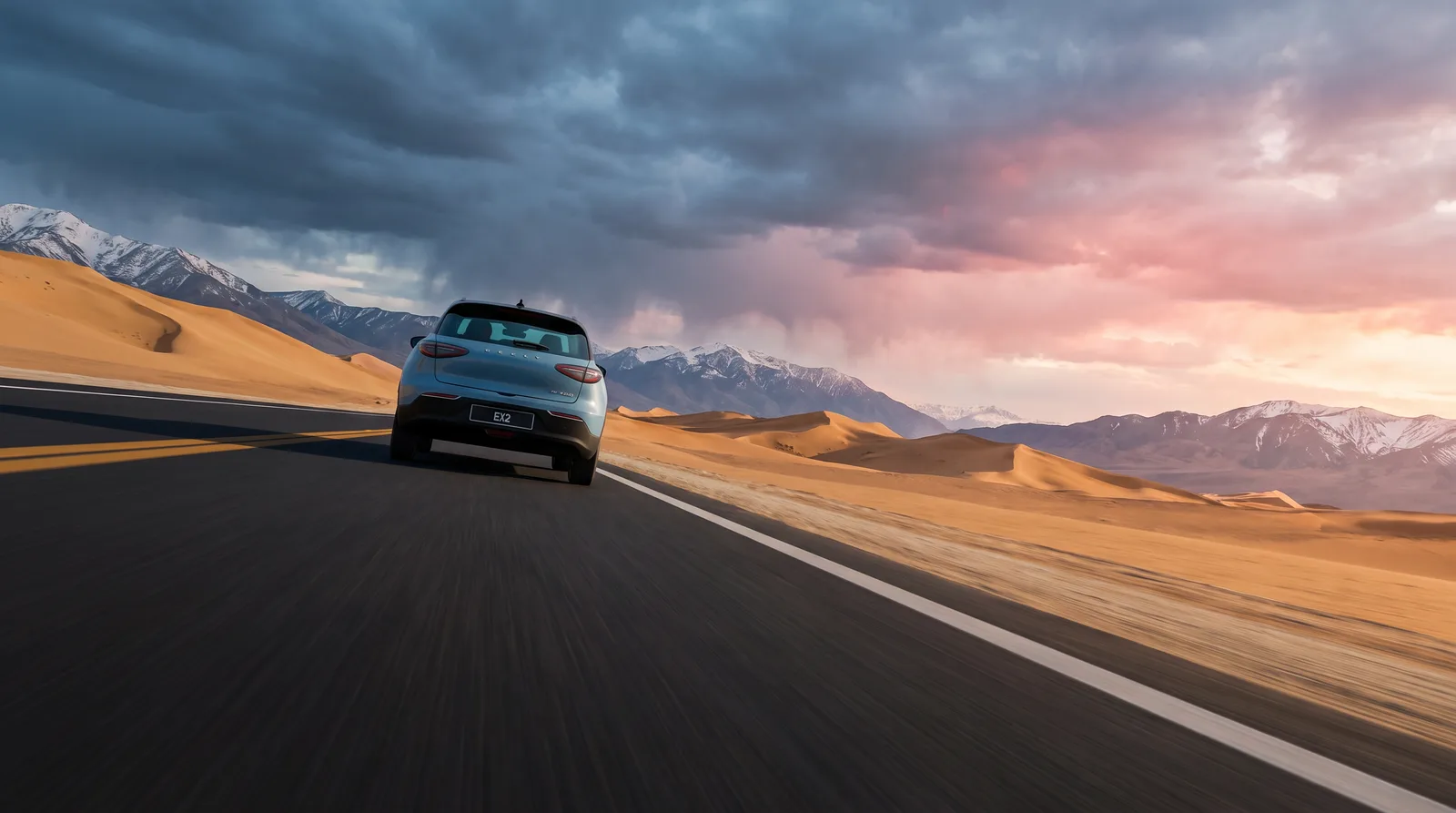
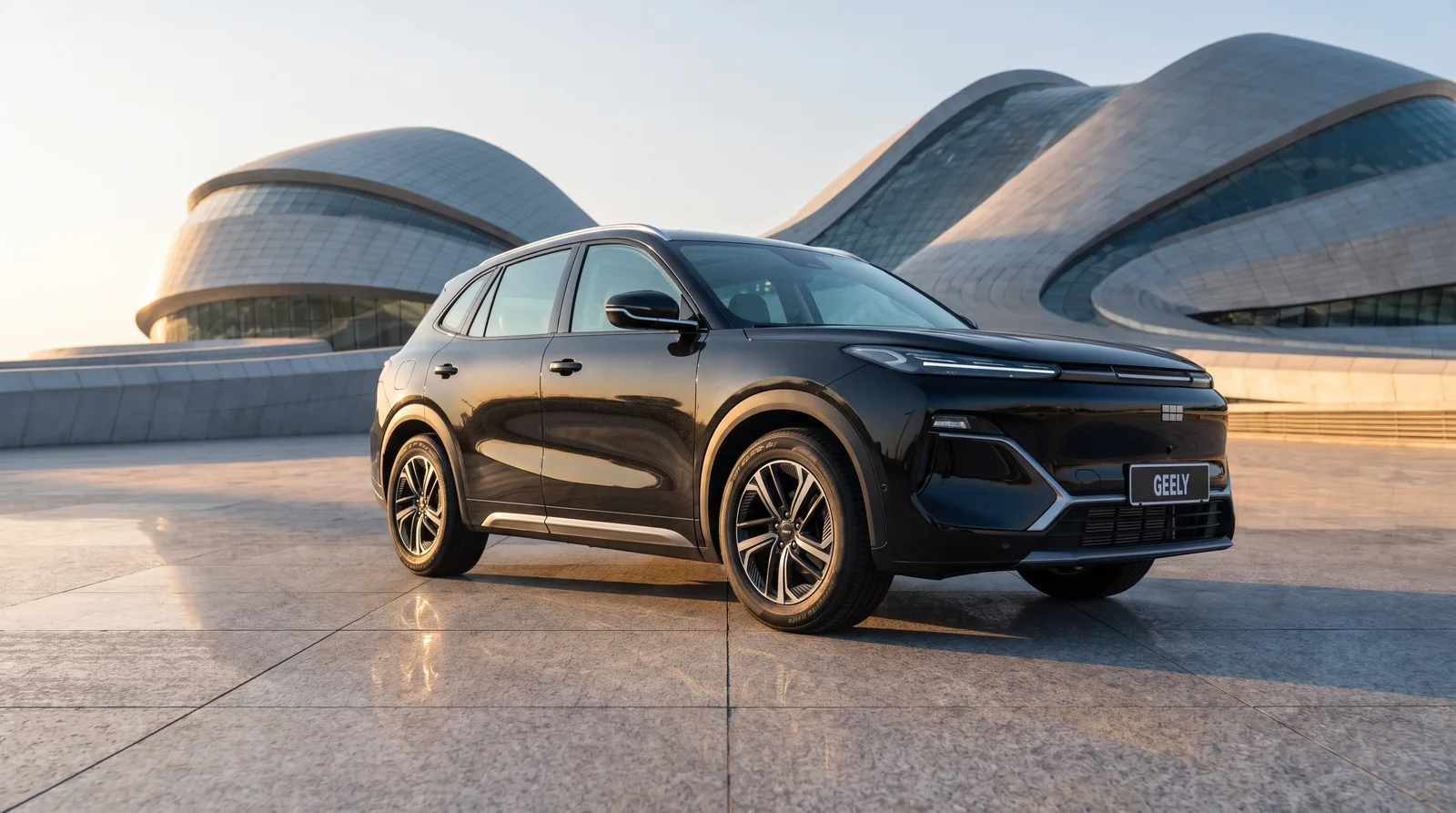
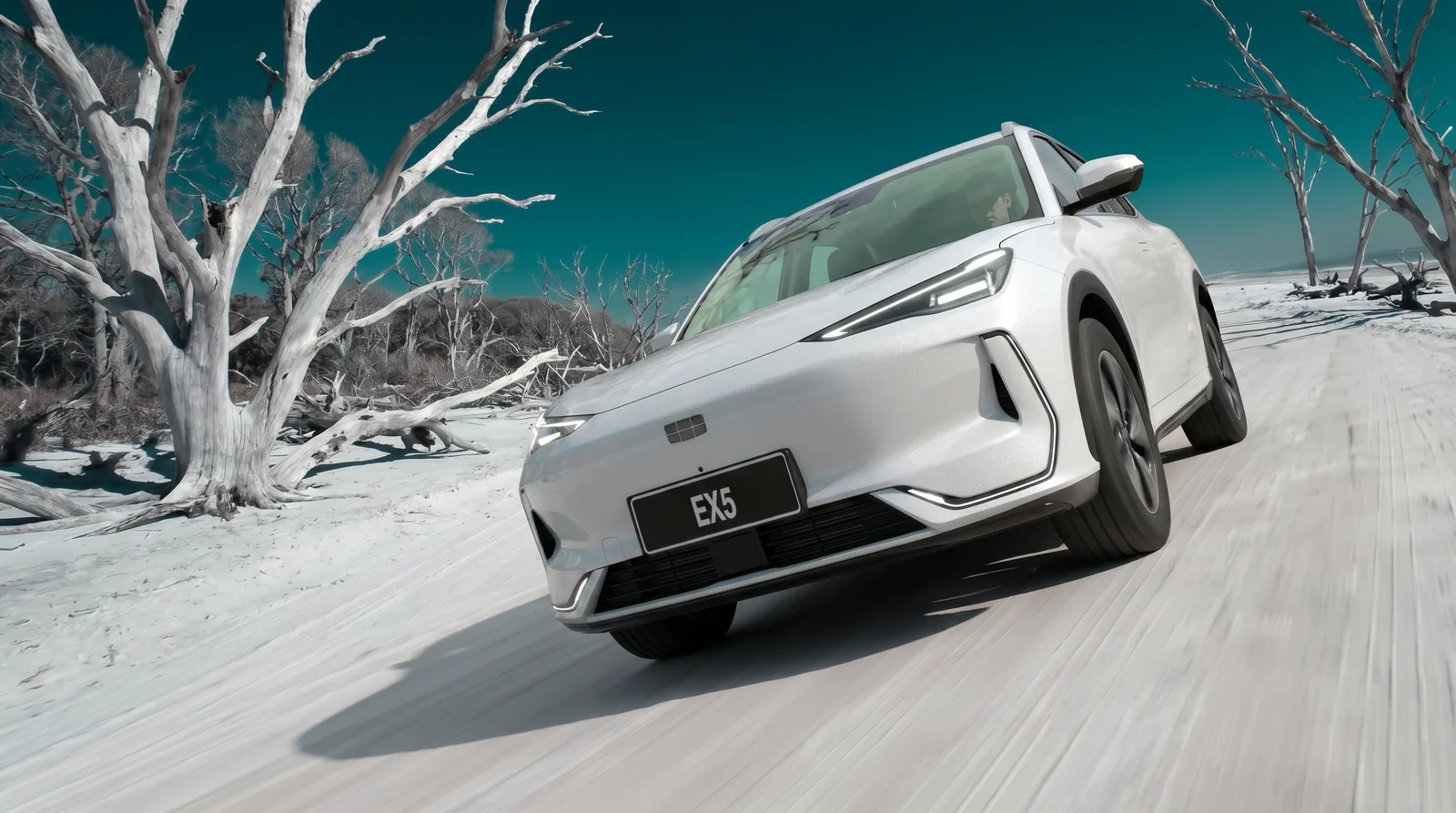
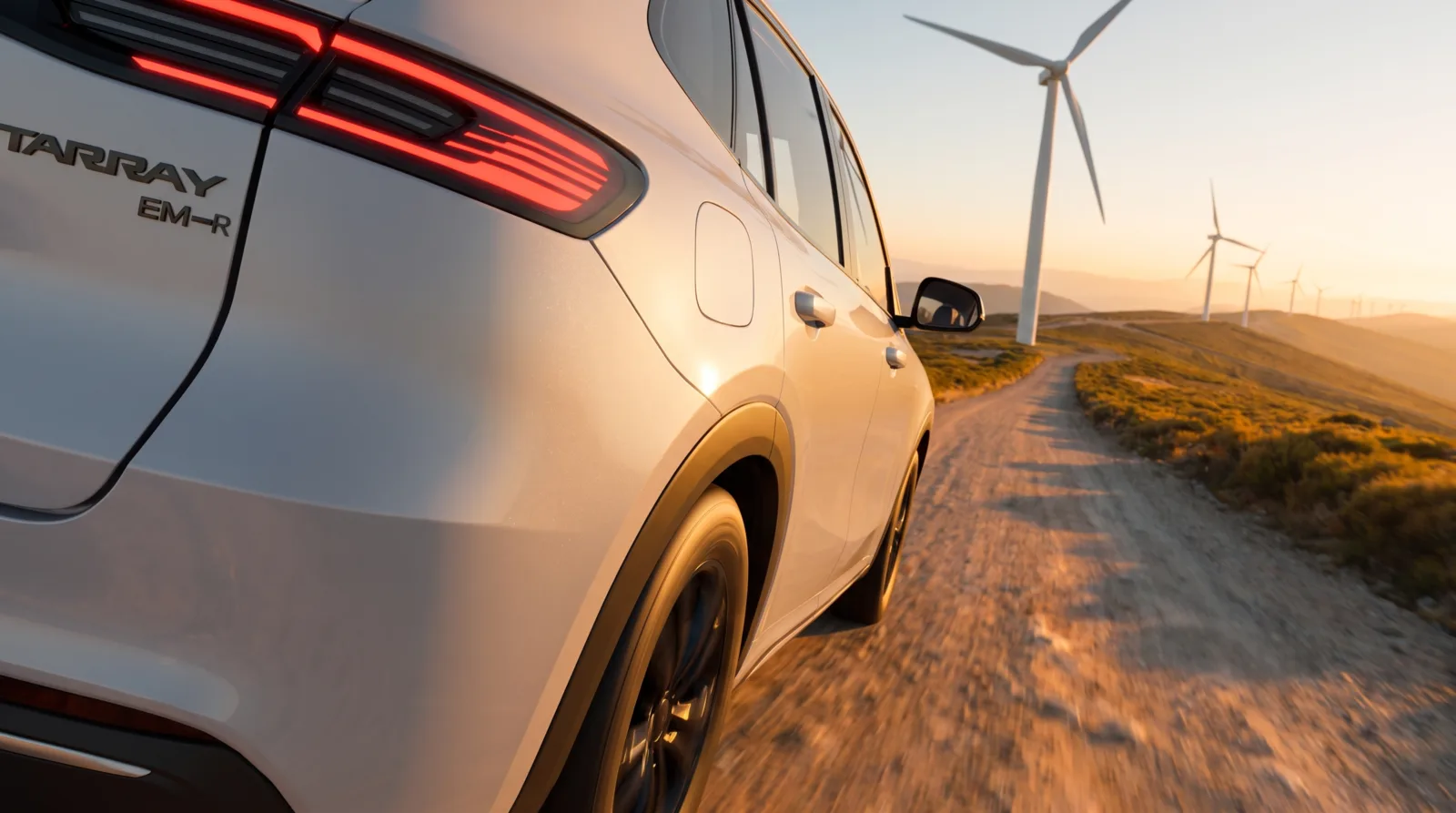
Every frame on this page was generated via AutoGen
The idea
The scene is the prompt.
Almost every AI image tool starts with a written description — a prompt — and hopes for the best. AutoGen inverts that. It starts from a 3D scene where everything is already built and measured, and calls on AI only for the last mile: surfaces, atmosphere, photorealism.
The camera's exact position, lens and move come from a real camera rig, not from words. The car's geometry, badge and paint come from the actual 3D model of that vehicle, not from the AI's idea of a car. And the shot the AI receives is the shot you framed — pixel for pixel — because the reference image it works from is a straight render of what is on your screen.
None of it is built by hand. The cars, camera moves, moods and locations already exist — you compose with them, or type a sentence and the scene stages itself. The scene is exacting; making one is not.
0
named camera moves
0
locations
0
lighting moods
0
drivers to cast
0
showroom vehicles
Draft 3D in, photograph out
Watch the scene become the photograph.
Drag the handle across any frame below. On the left is the draft 3D — the clay, in industry shorthand: the scene exactly as it was staged, with the real car, the real camera and rough stand-in scenery. On the right is what came back. The AI's job is not to imagine a car — it is to develop the photograph the scene has already staged.
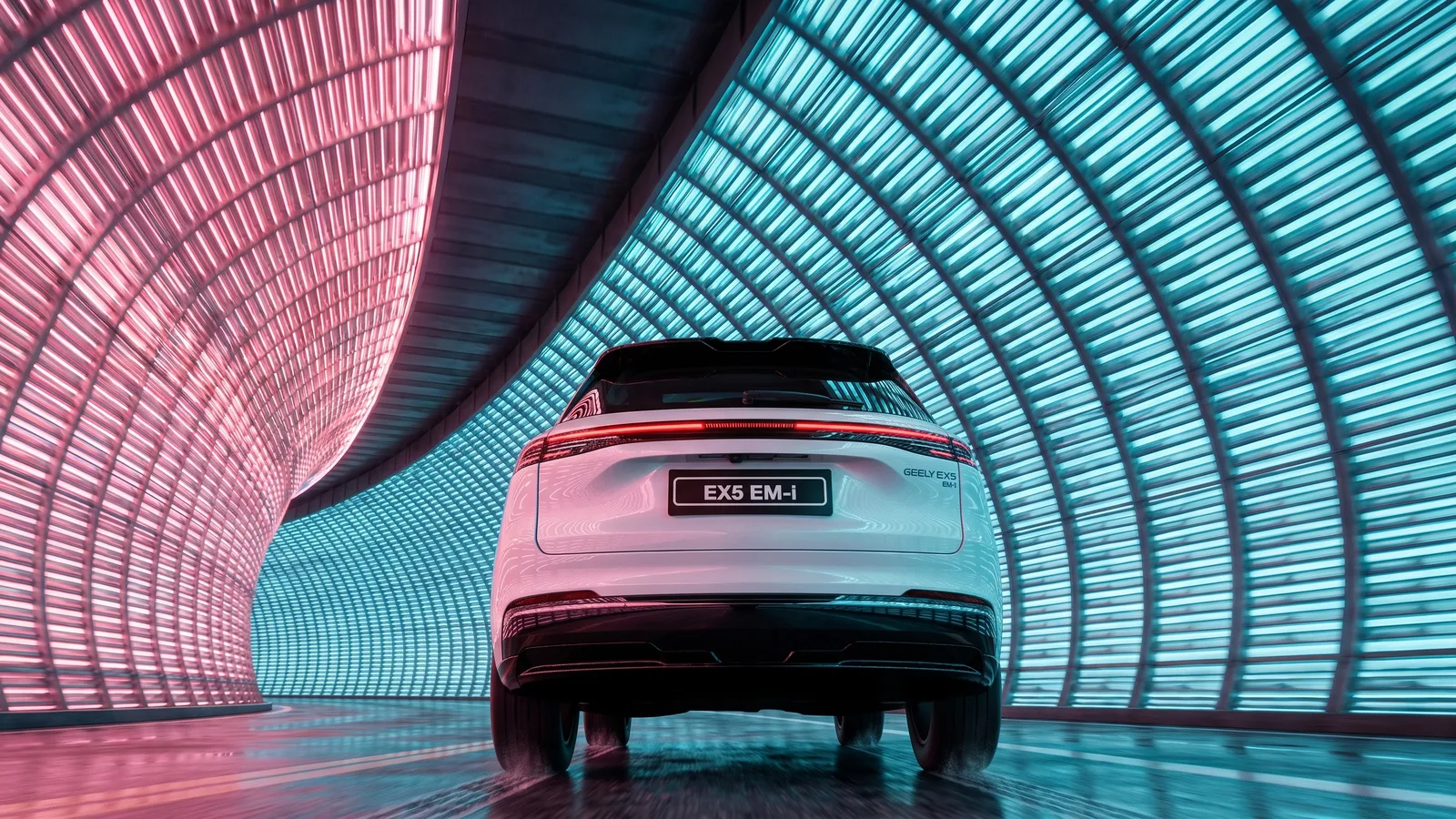
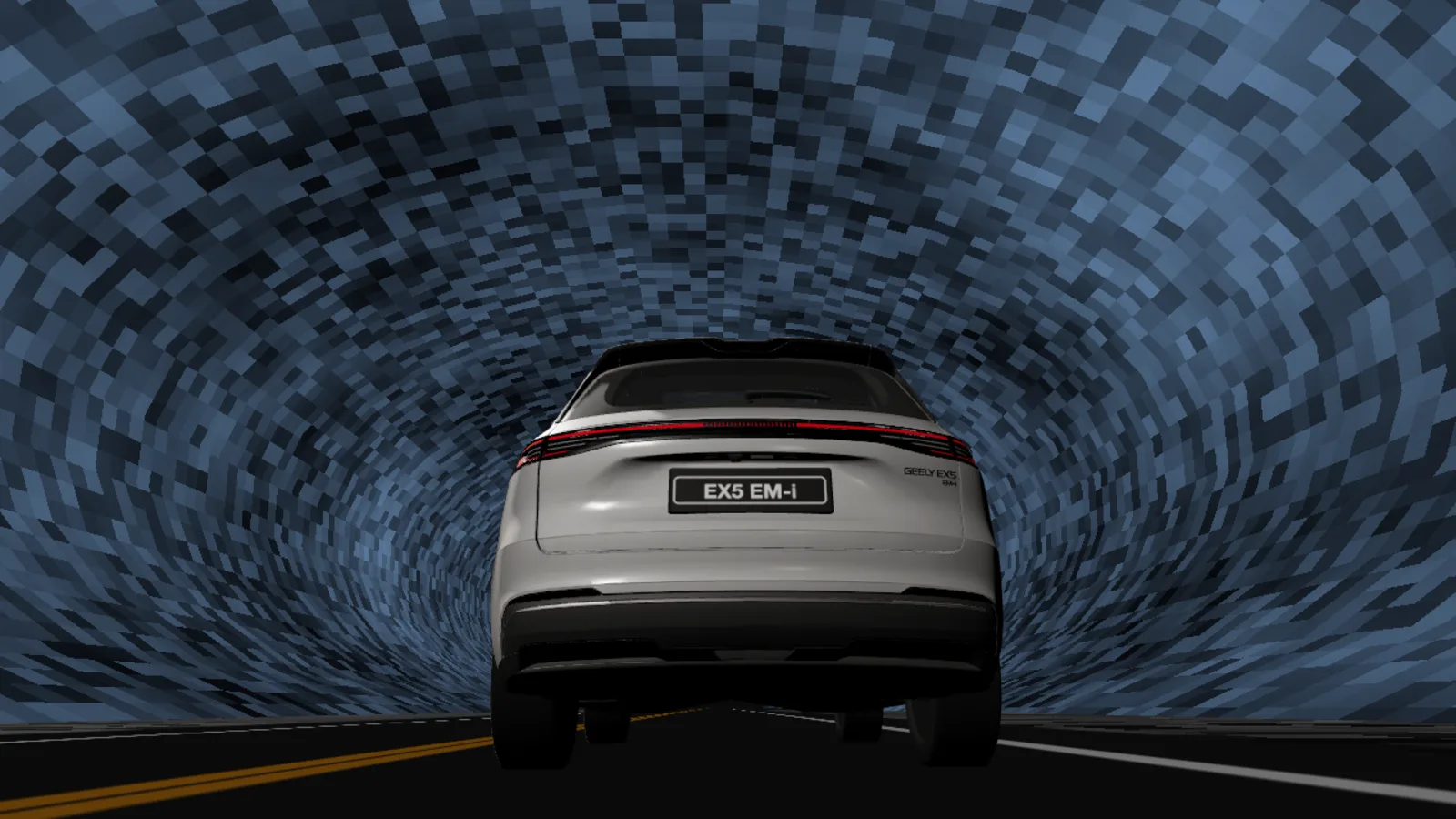
An EX5 EM-i seen from directly behind, in the app’s built-in tunnel. The AI dressed the bare tunnel as two-tone LED architecture and poured that colour over the bodywork — but the camera height, the framing, the badge and the “EX5 EM-i” number plate all come from the draft 3D on the left.
One take, five worlds
“Make it winter” is a click, not a reshoot.
All five films below are the same piece of driving — one take, one camera move, one draft 3D clip — sent through the AI five times, with a different world each time. A client note that used to cost a day's shooting, or a month of traditional CGI, now costs a coffee.
The same take developed into a futuristic underpass at night — glass skyways, lit signage, wet tarmac. The camera never moved differently.
The deal-breaker
The car stays the car.
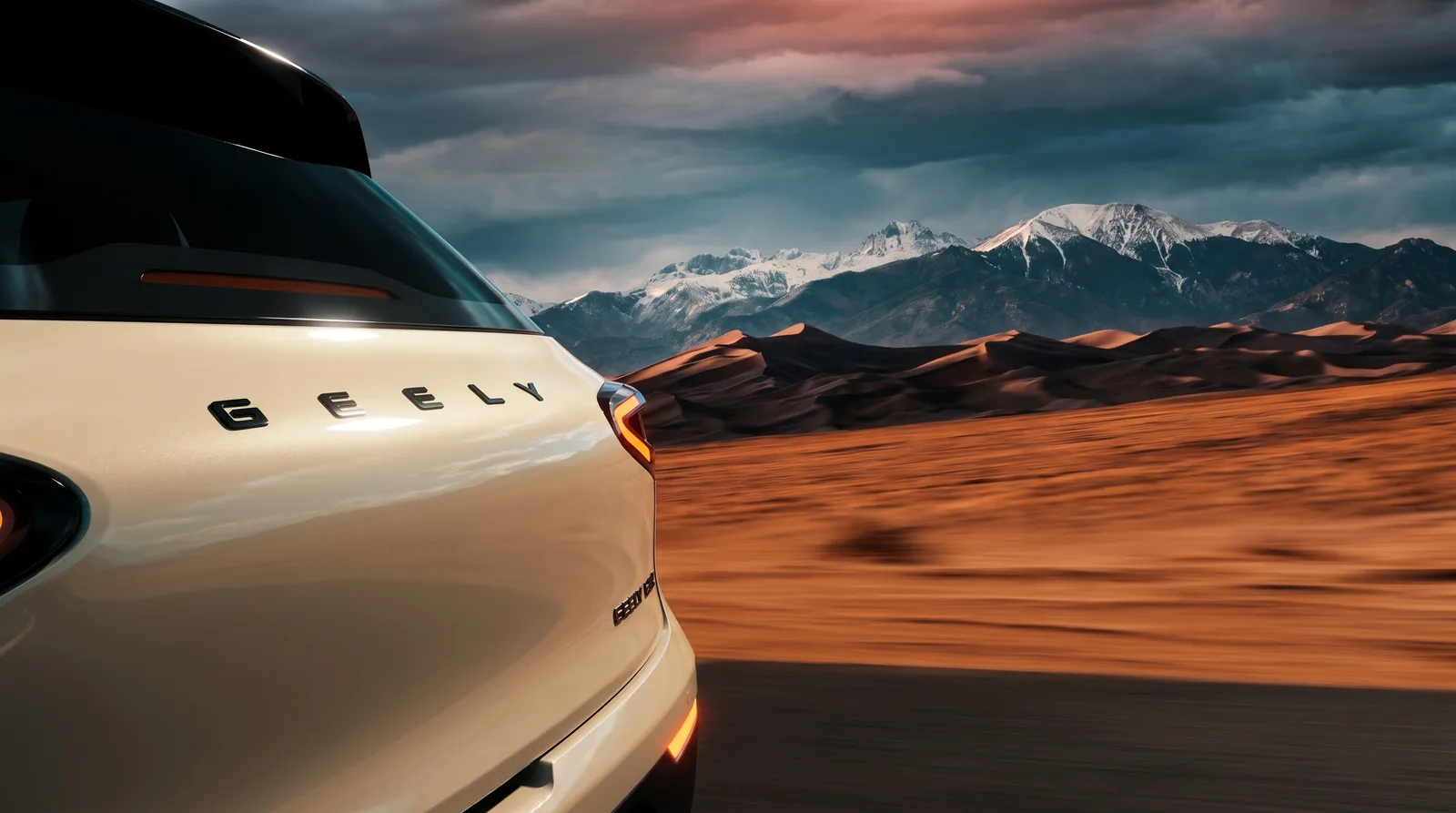
The first question every brand asks of AI video is whether it will melt their product. Warped grilles, invented badges, wheels that churn into soup — the industry calls it hallucination, and it is why most brands will not go near this. AutoGen's answer is structural: the car is never imagined. Its real geometry is fed in as a picture on every single generation, and every instruction closes on the same order — add nothing to the vehicle, remove nothing from it. Drag across the moving footage and watch the sheet metal hold.
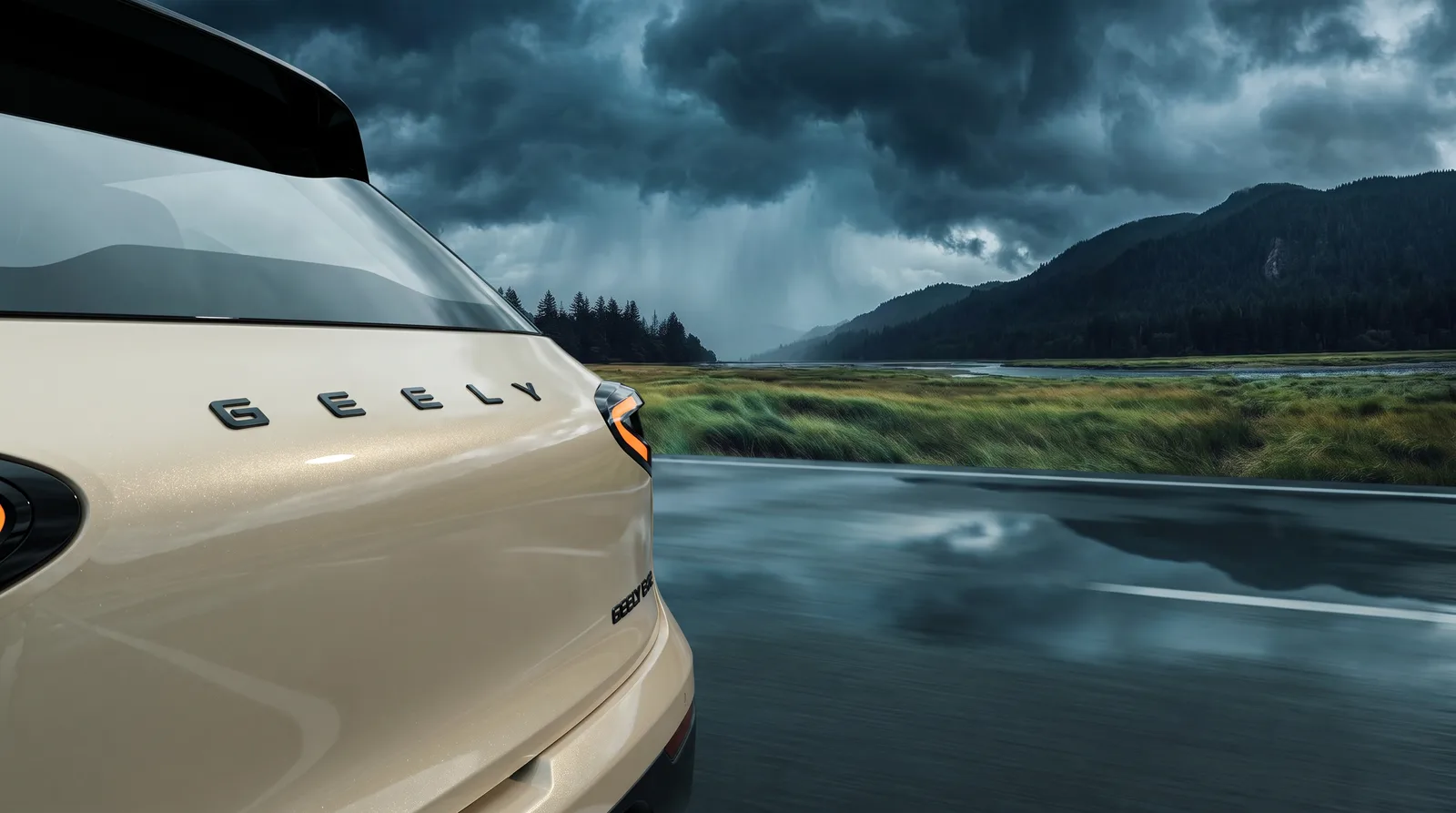
A slow move along the rear quarter — the shot an AI is most likely to ruin. Drag across the footage: the GEELY lettering, the EX2 badge, the number plate and the tail-lamp signature stay locked to the car’s actual 3D geometry through every frame, because they were never imagined in the first place.
The pipeline
Four moves, one session.
01
Stage the scene
Pick a car, its paint, the cabin colour, the number plate and a driver to cast — or type a sentence into the Director bar and the scene builds itself. Everything is measured rather than eyeballed: the lens, the angle, how large the car sits in frame, whether the badge is visible.
02
The scene writes the prompt
The app reads the scene you just built — the exact paint, glass, wheels and trim, plus the frame you set up — and AutoGen writes the AI’s instructions from those facts. Nobody types prompts.
03
Develop the still
One click. The draft 3D frame and a location reference go along with the instructions, and the picture comes back at 2K or 4K, sitting side by side with the draft 3D it came from — so it can be checked against what was actually directed.
04
Develop the film
For motion, the whole camera move renders as a draft 3D clip at 24 frames a second, and the AI develops that into footage — the still becomes the first frame, and the move survives exactly. 1080p as standard, 4K on tap.
Built for post
A finished frame you can still change.
An AI-generated picture is normally a dead end — one flat image you can nudge a little in the colour grade and no further. These aren't flat. Because there is a real 3D scene underneath, every shot also exports the separate technical layers, called passes, that a visual effects artist needs in order to keep working on it. Ten of them, from a still or a moving sequence alike.
- Normal maps
- Which way every surface is facing — the information you need to relight a shot. Lift a highlight along a shoulder line, add an edge light, move the key light, all after the fact and without generating the shot again.
- Depth maps
- How far every part of the picture sits from the camera. Focus, haze and atmosphere stay adjustable afterwards, instead of being locked into the shot the moment it is made.
- Material masks
- The car separated out by surface — body paint, chrome, glass, lamps — so a colour change lands on the panels and stops there. The masks are cut from the same material data that drives the paint picker in the app, so the surface you recolour and the surface the mask marks are the same surface by construction. They cannot disagree.
4K is generated, not enlarged. Stills develop at 2K or 4K, film at 1080p or 4K — each produced at that size from the start, rather than made small and scaled up afterwards. What you receive was rendered at the size it claims. Every frame is also saved alongside the exact scene that produced it. That is the whole argument, one layer down: the pixels may be generated, but the 3D beneath them is known — and anything known can be handed on to the post-production team.
From the archive
Every location on Earth. And a few that aren't.
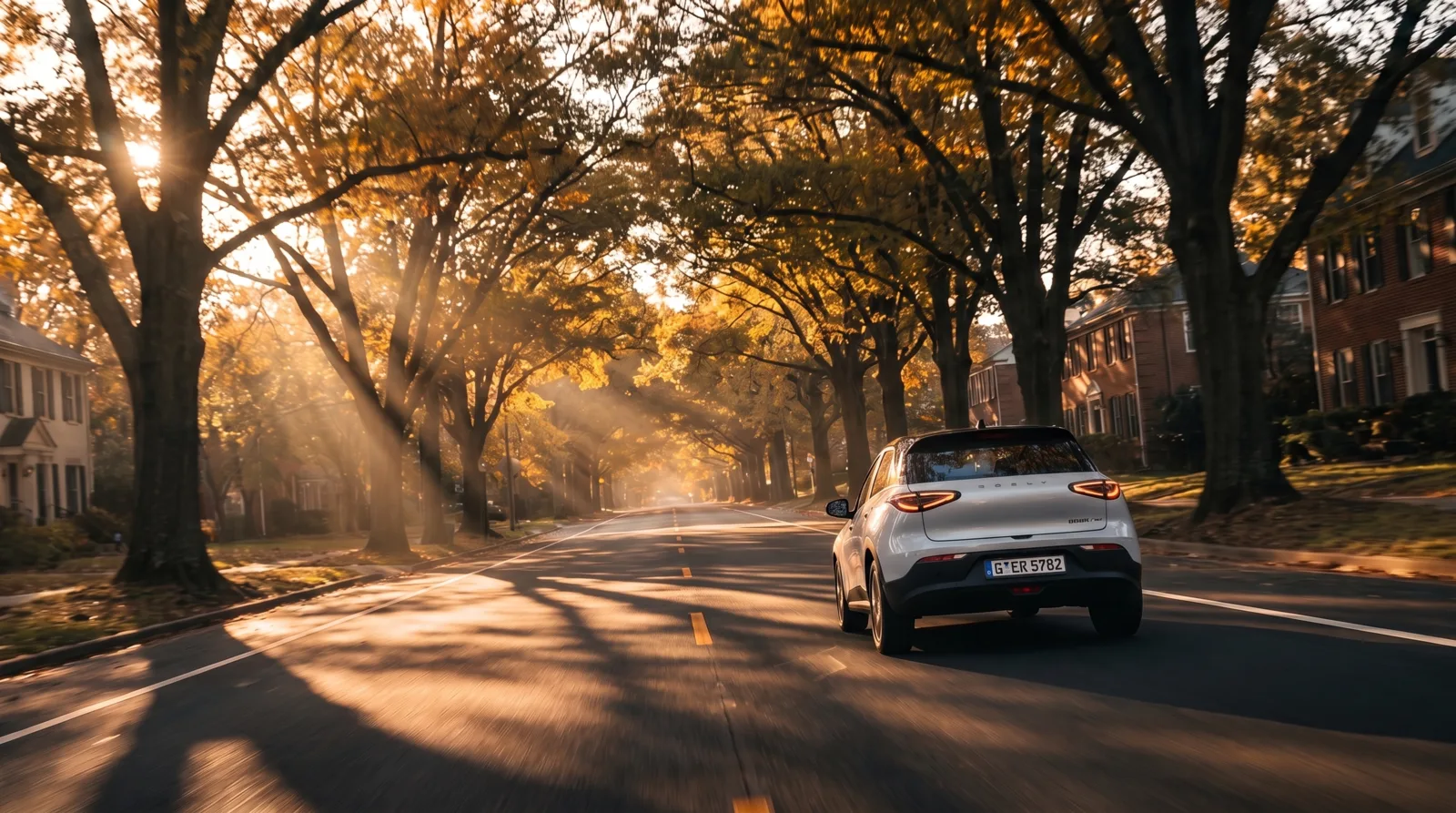
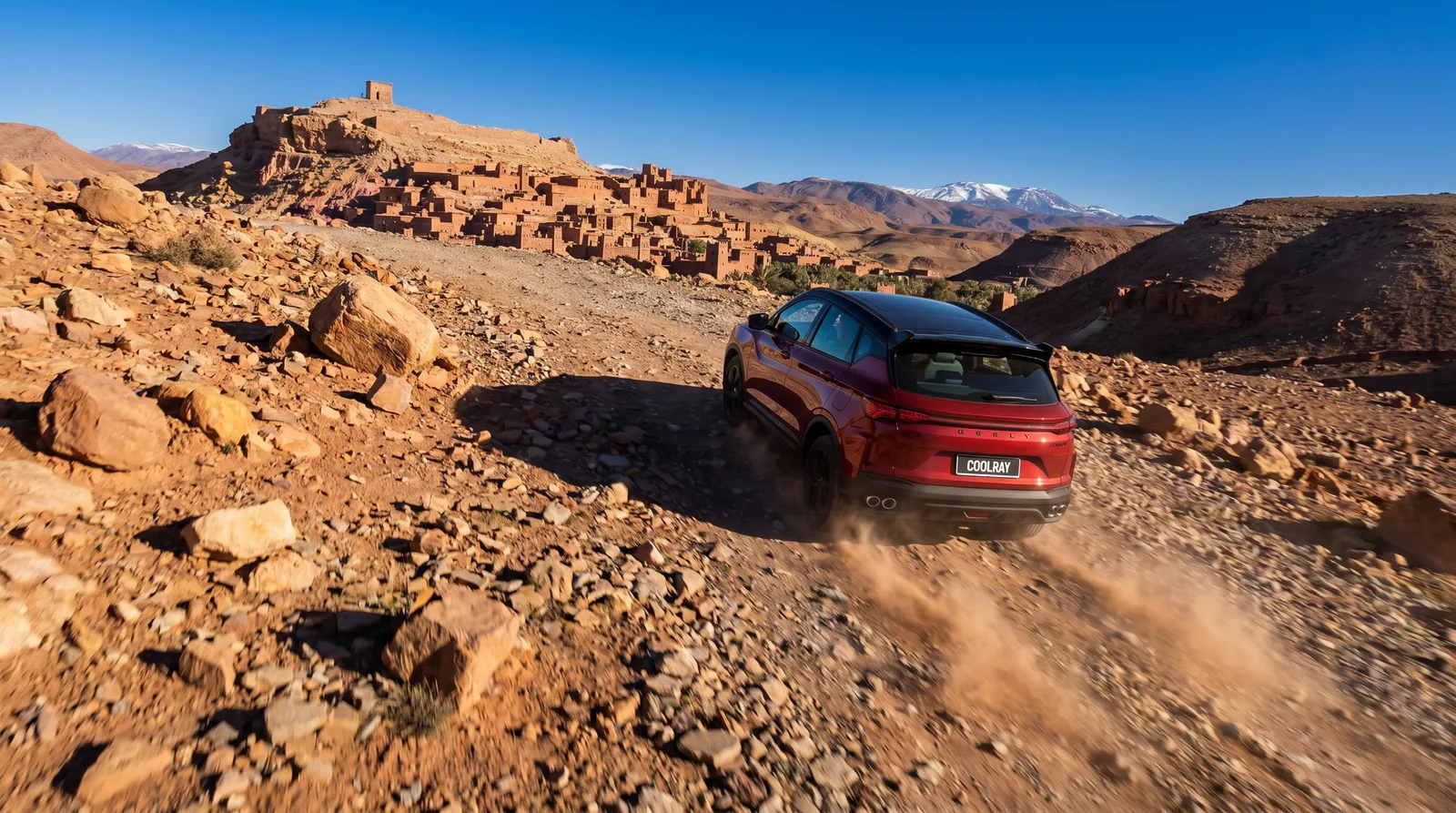
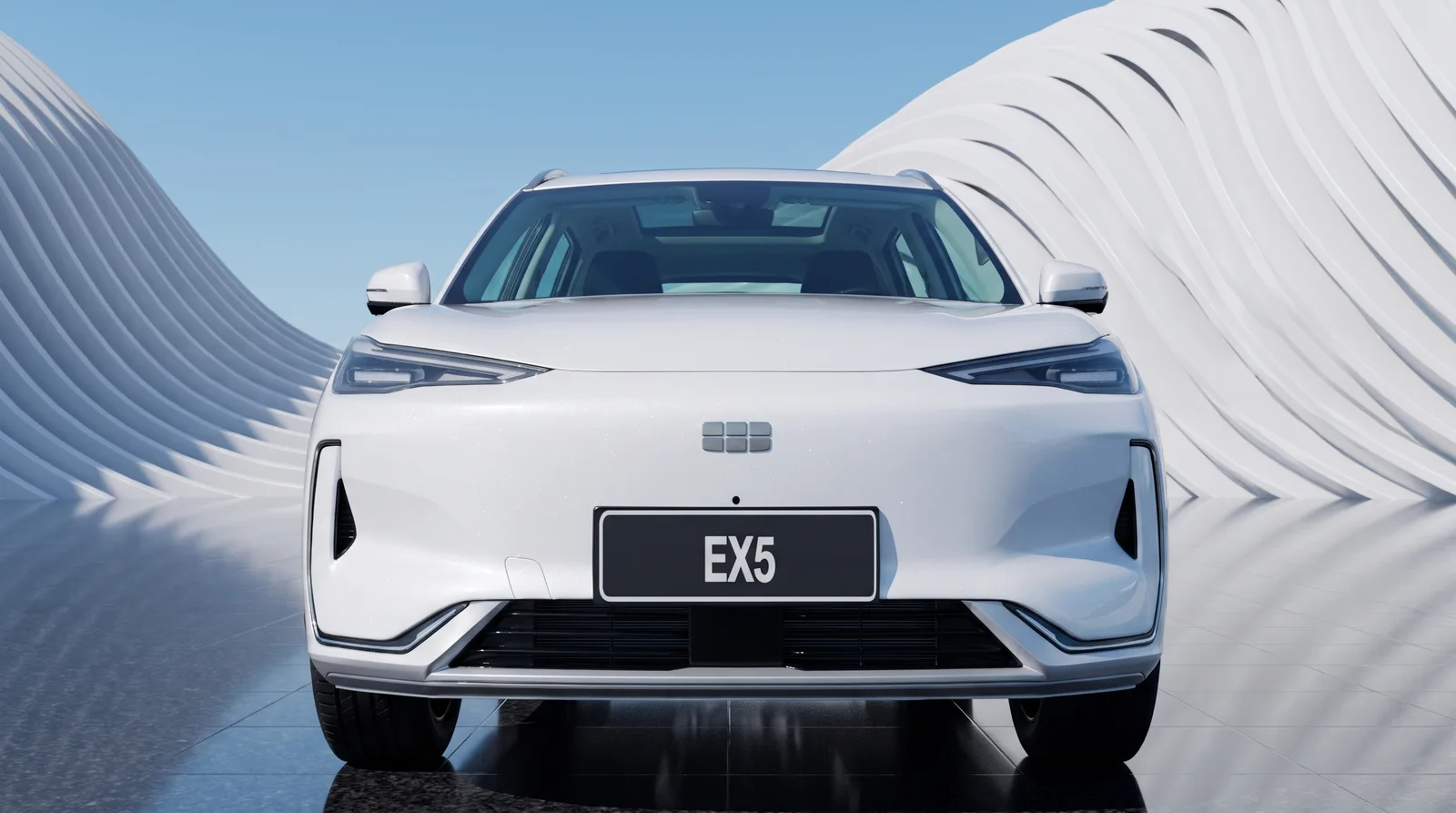
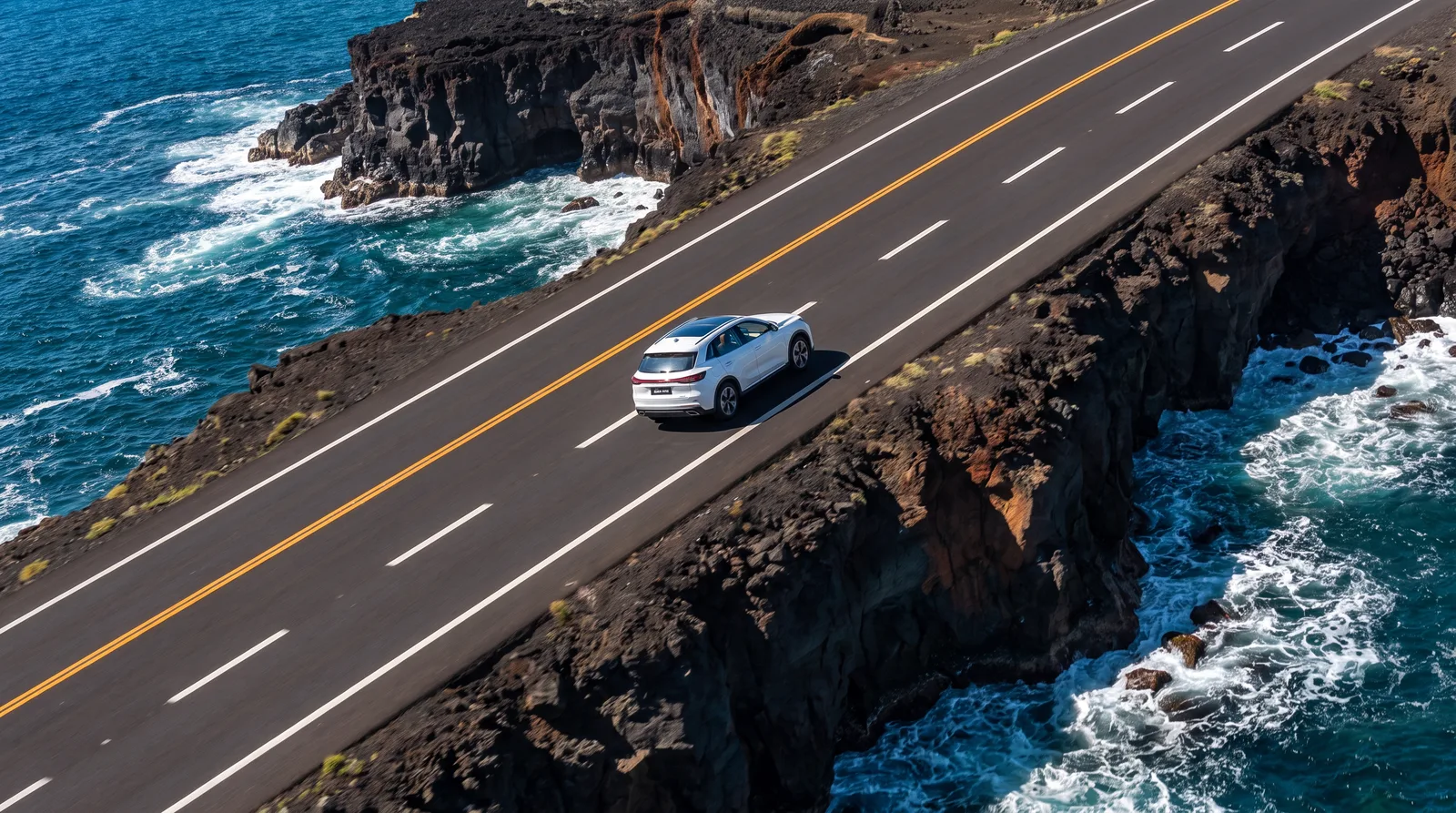
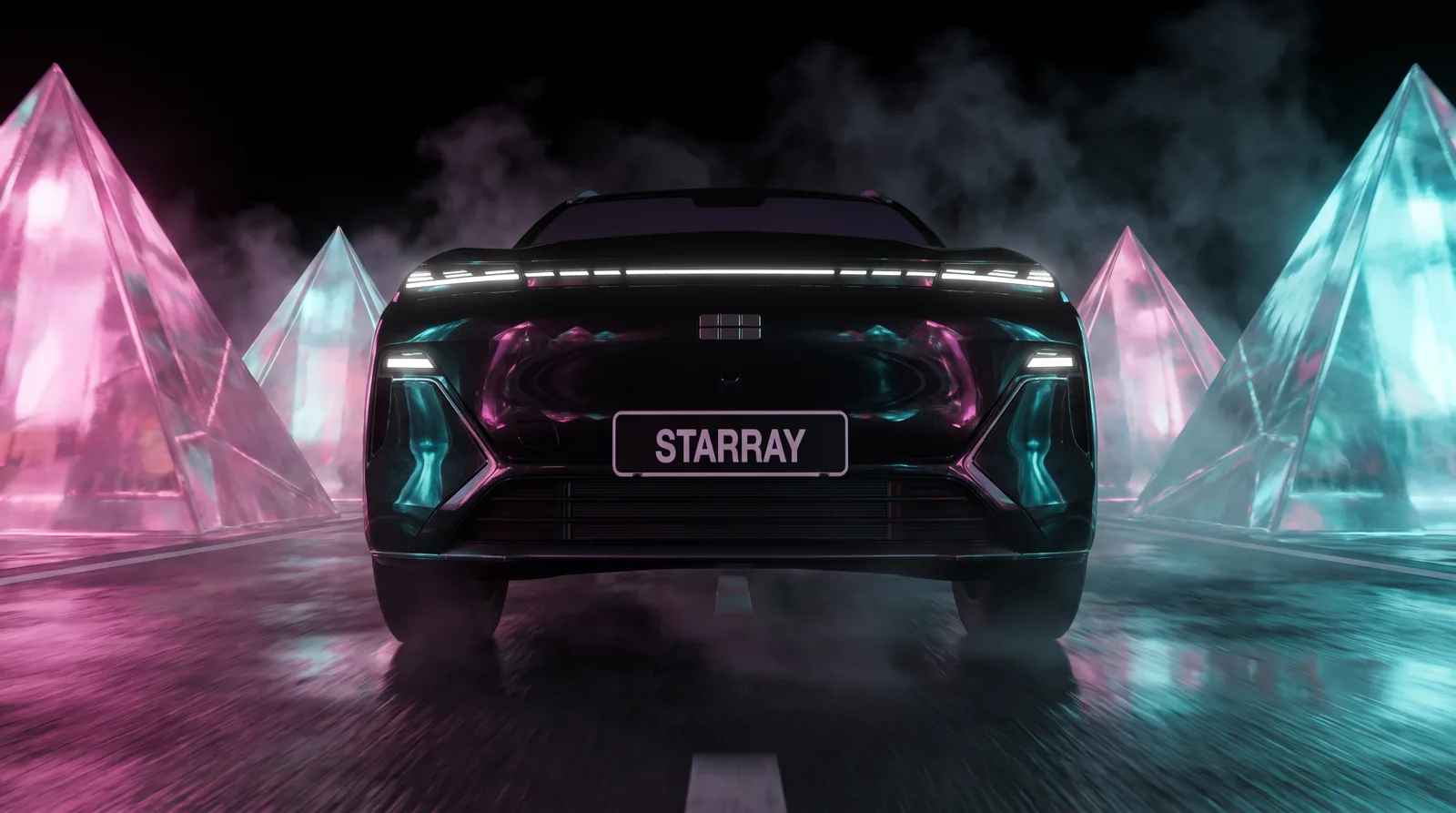
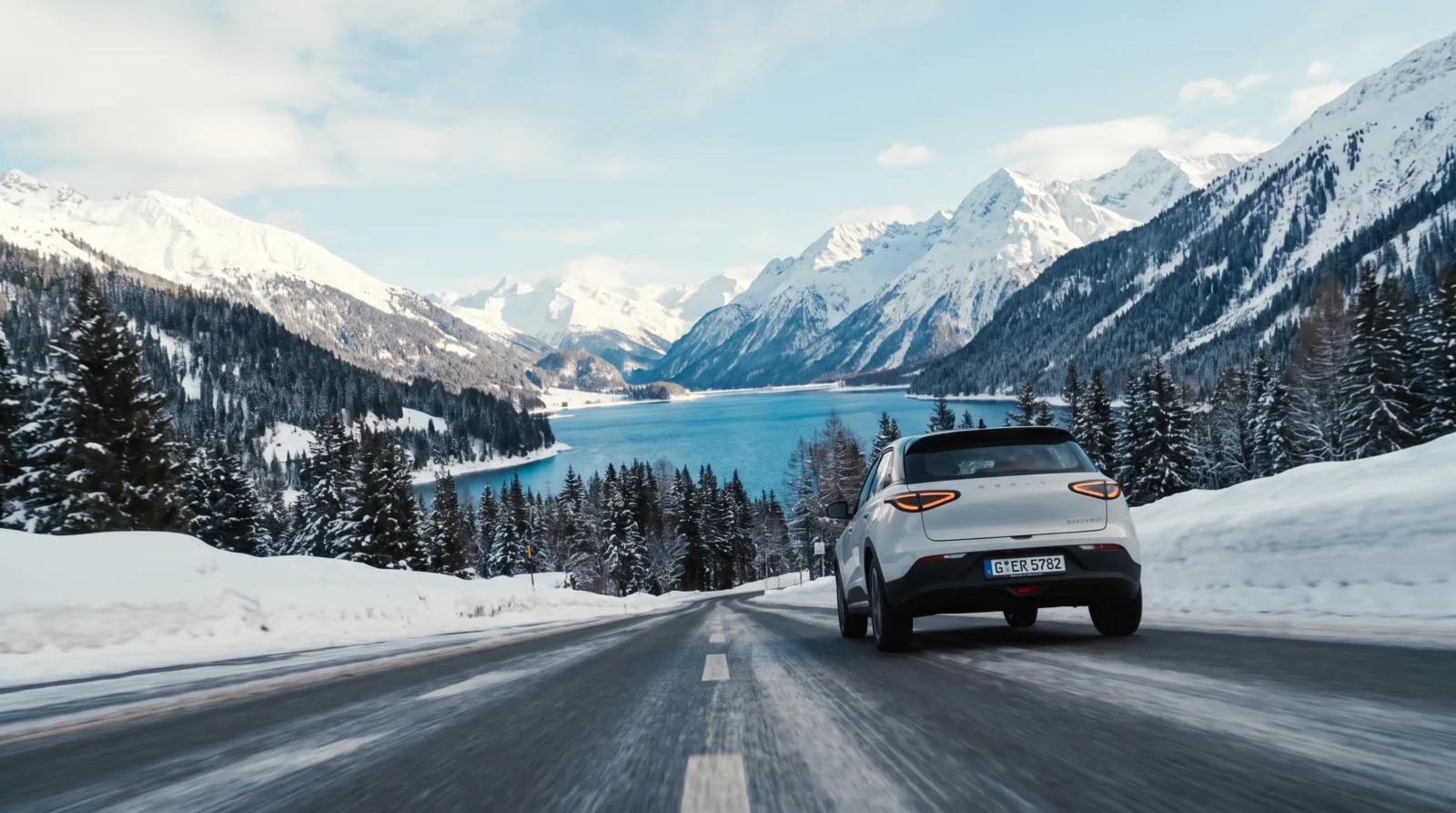
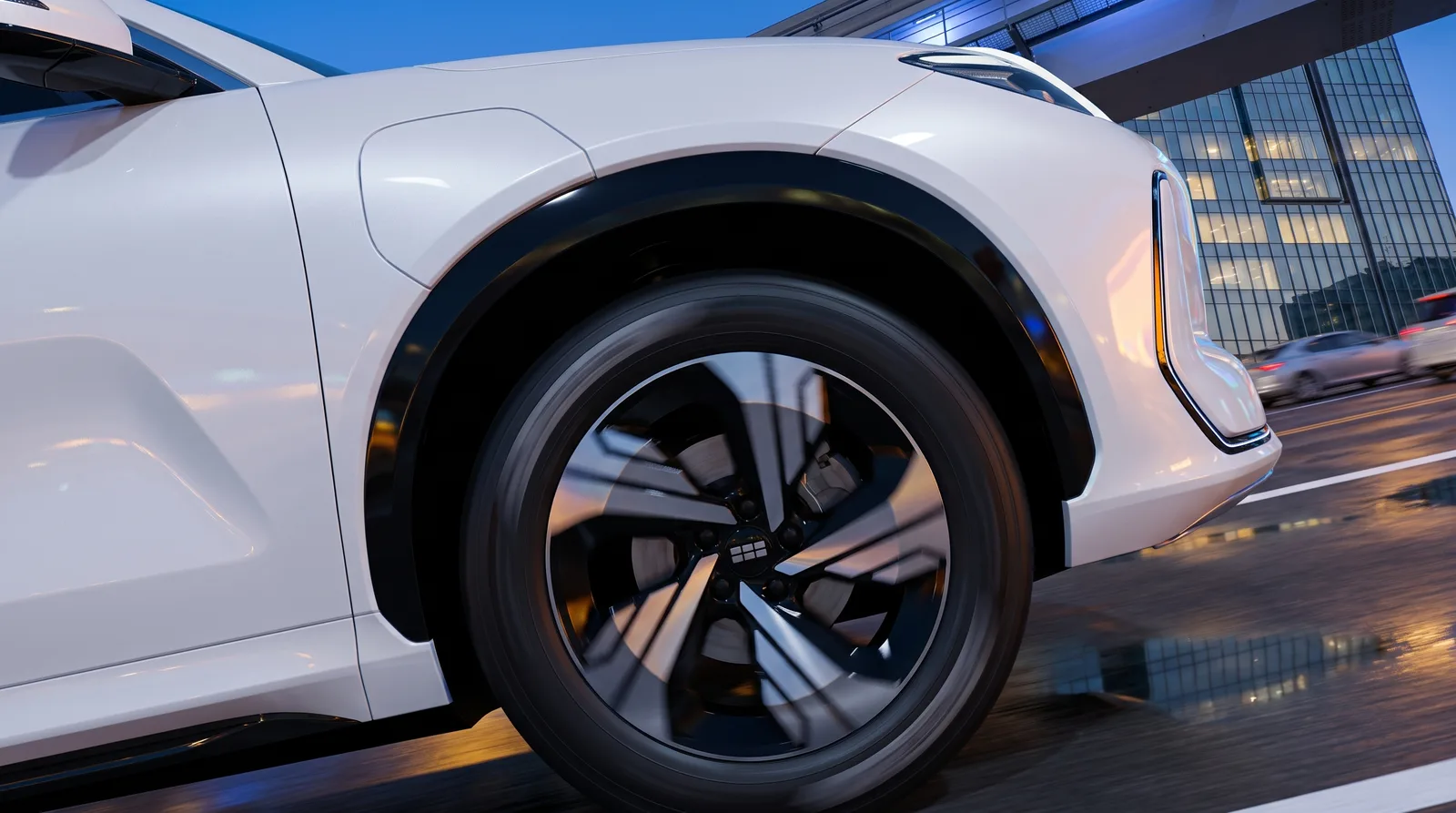
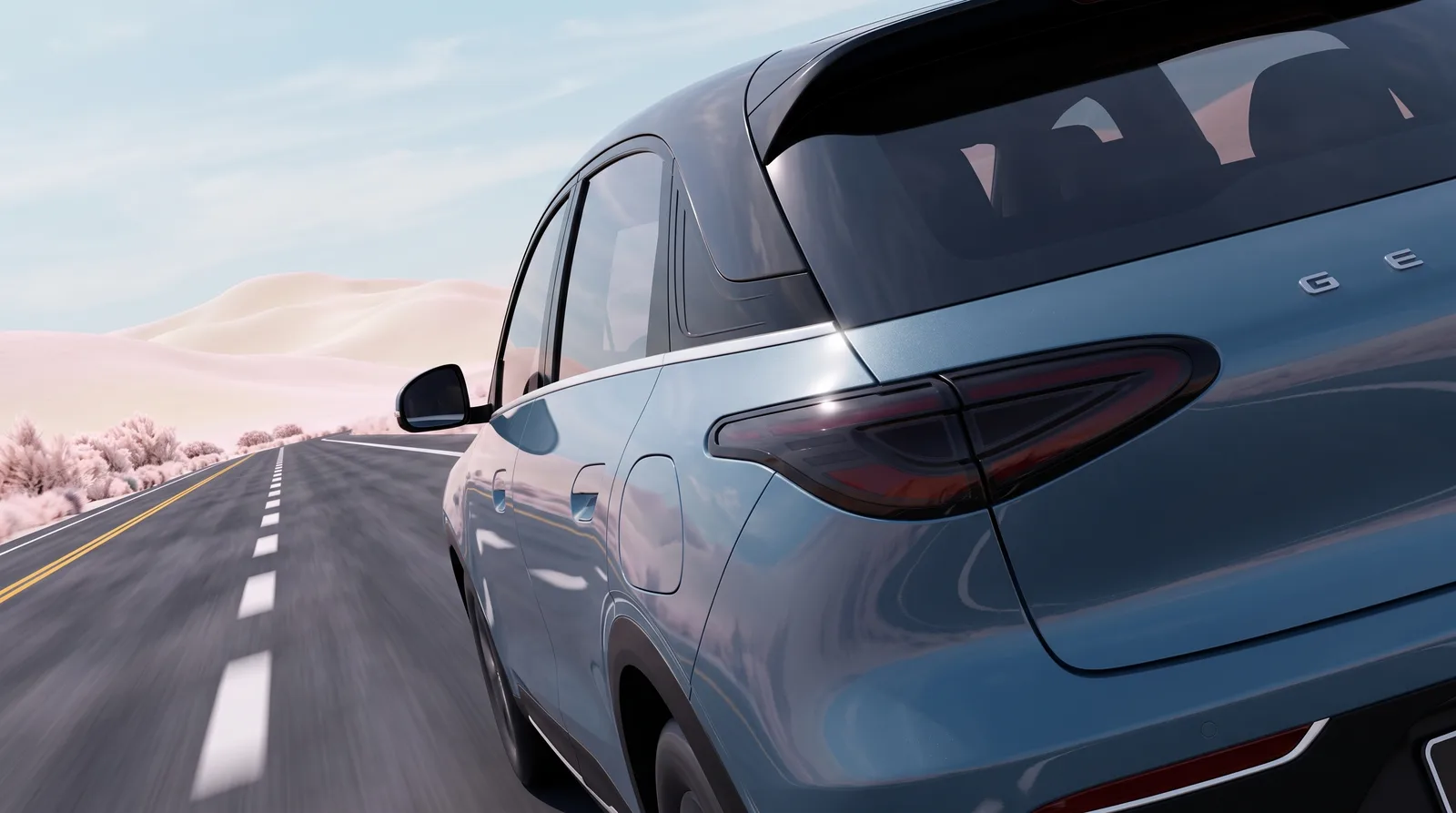
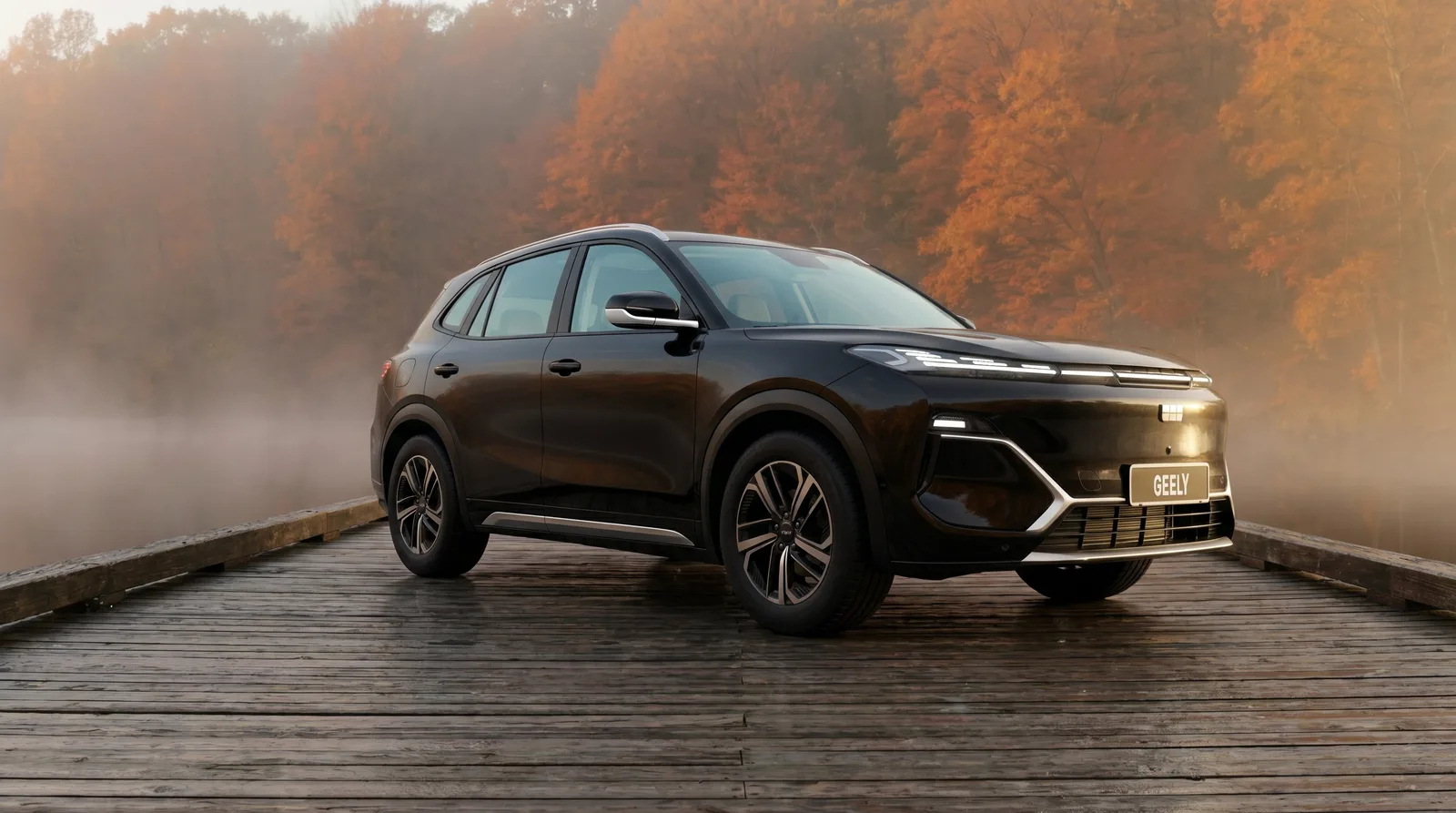
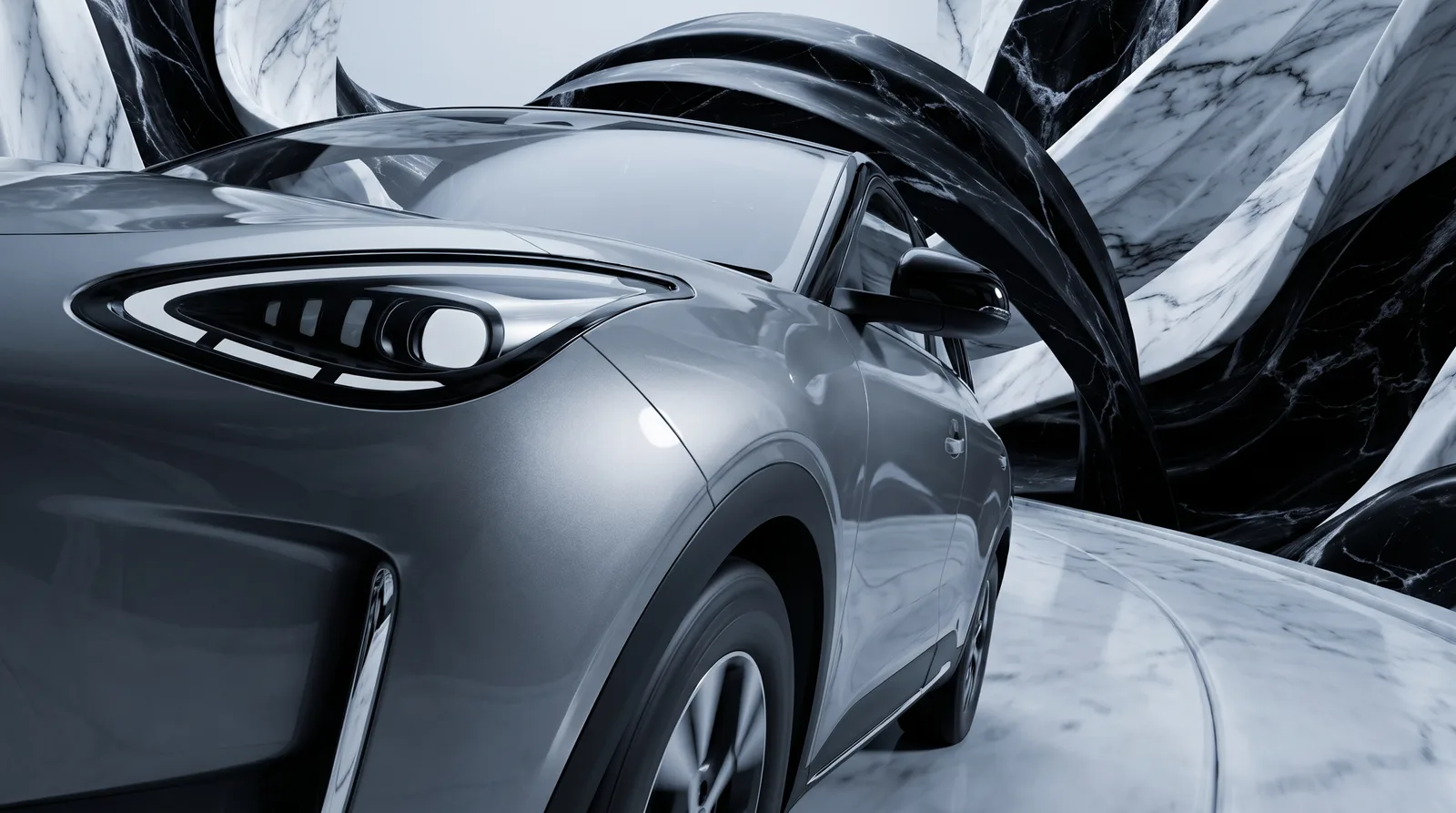
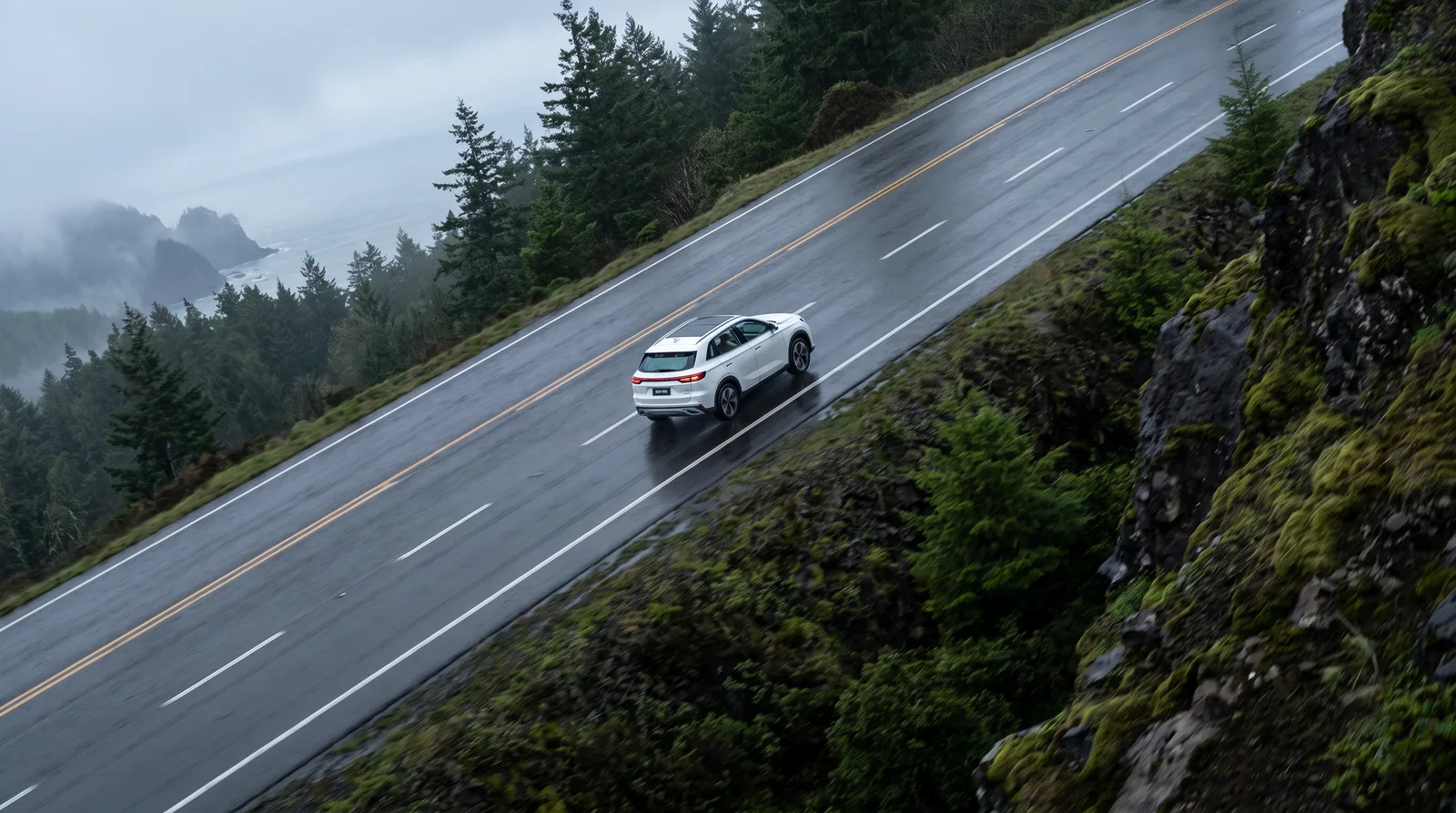
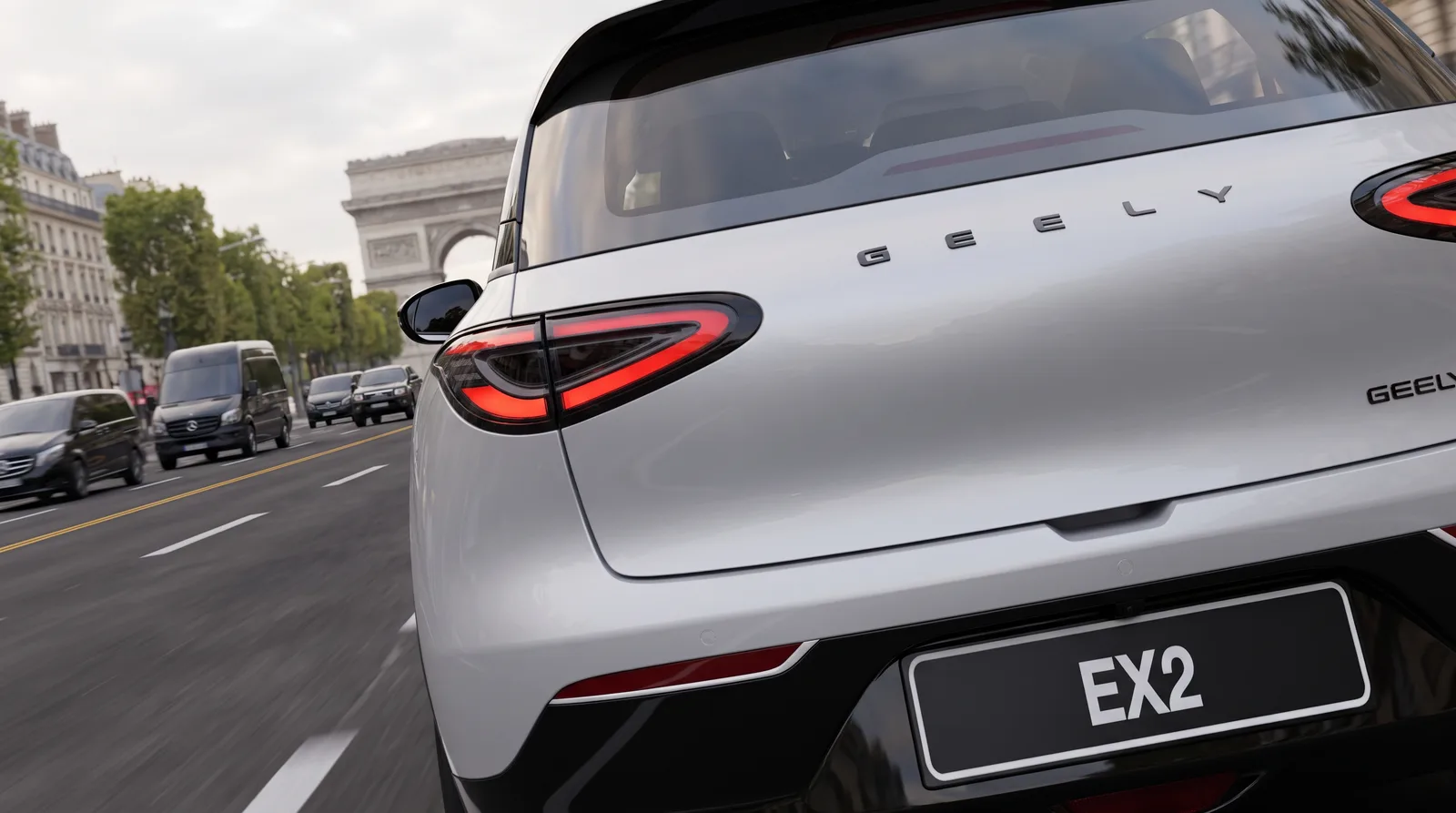
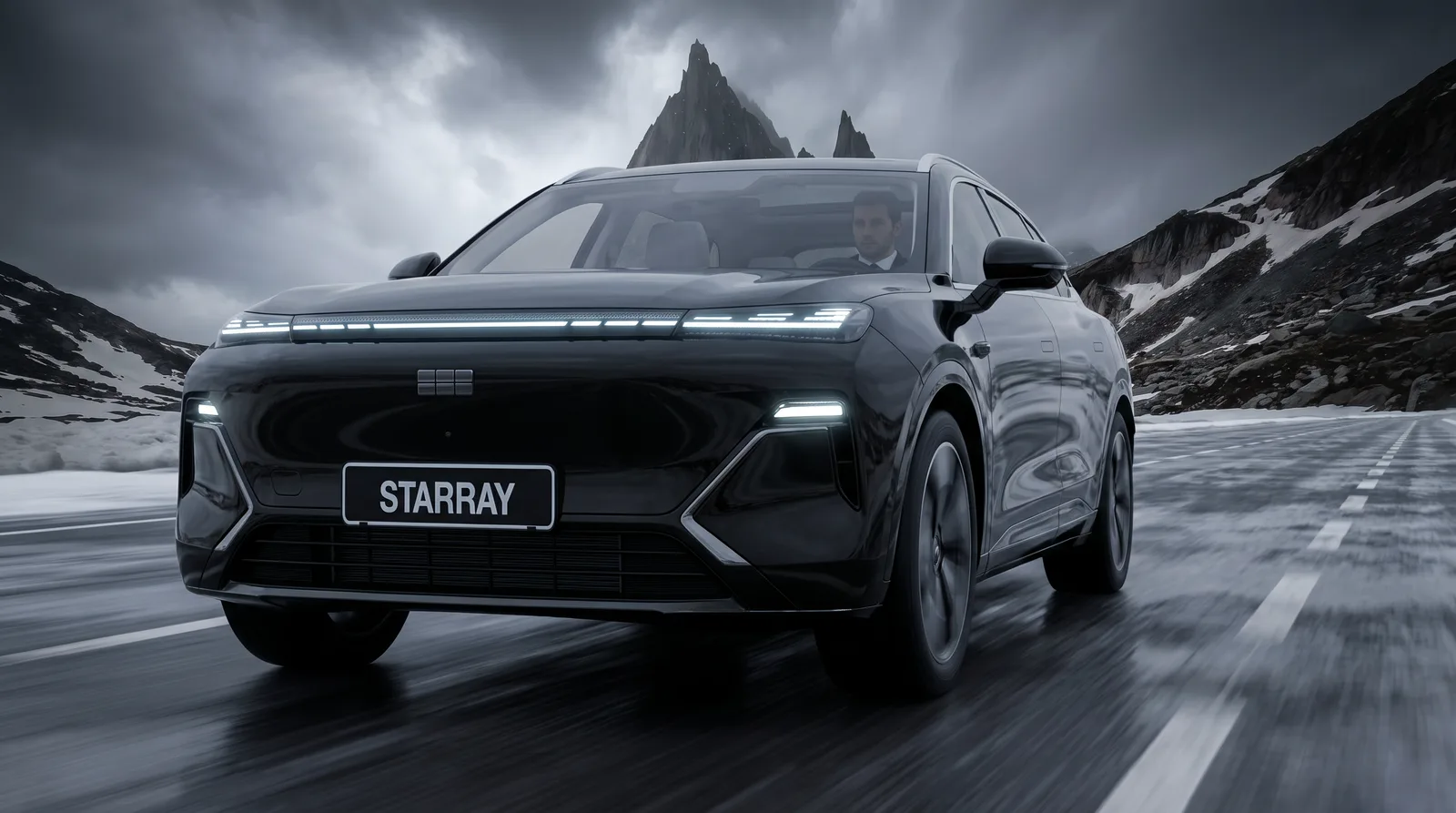
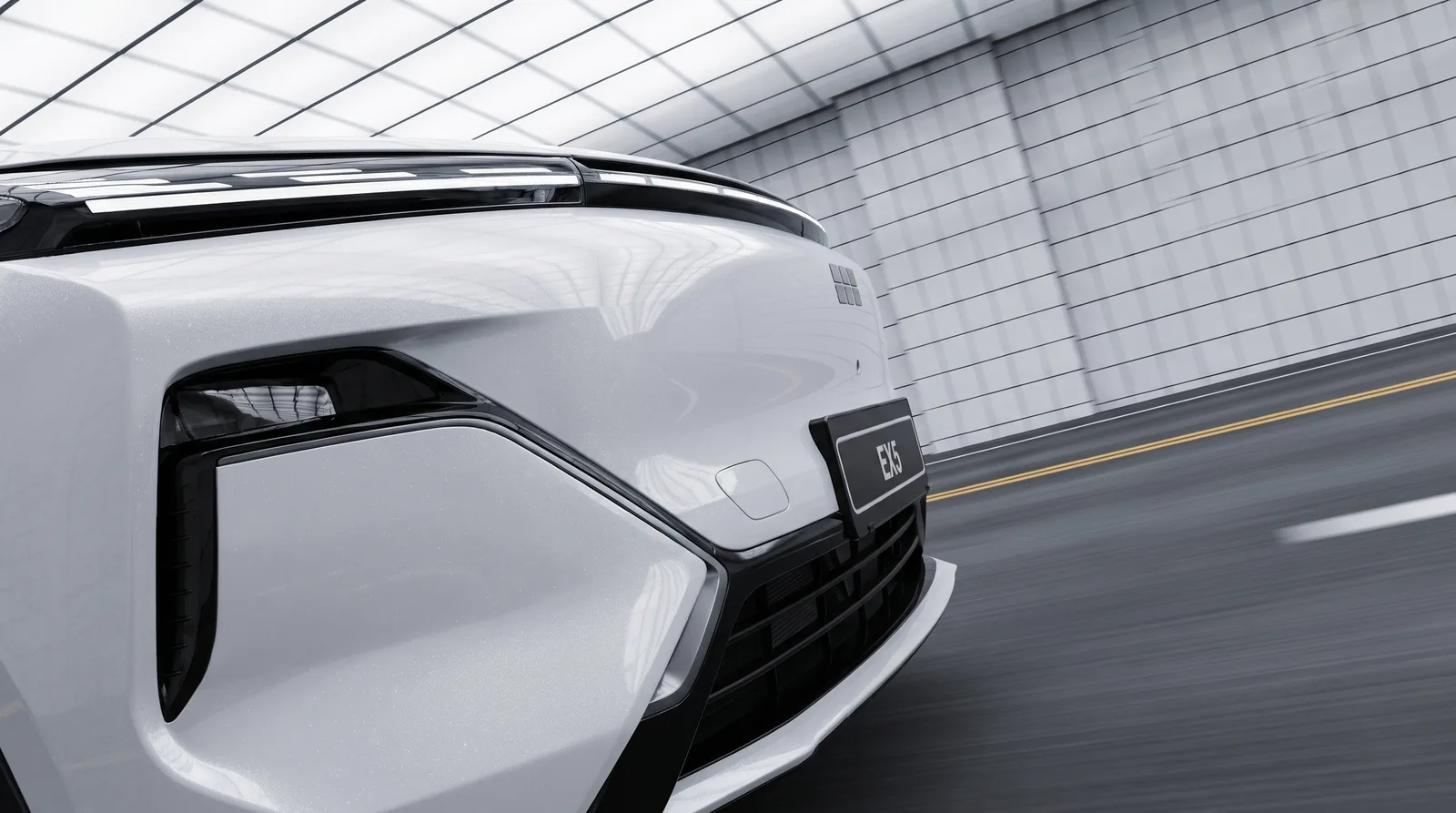
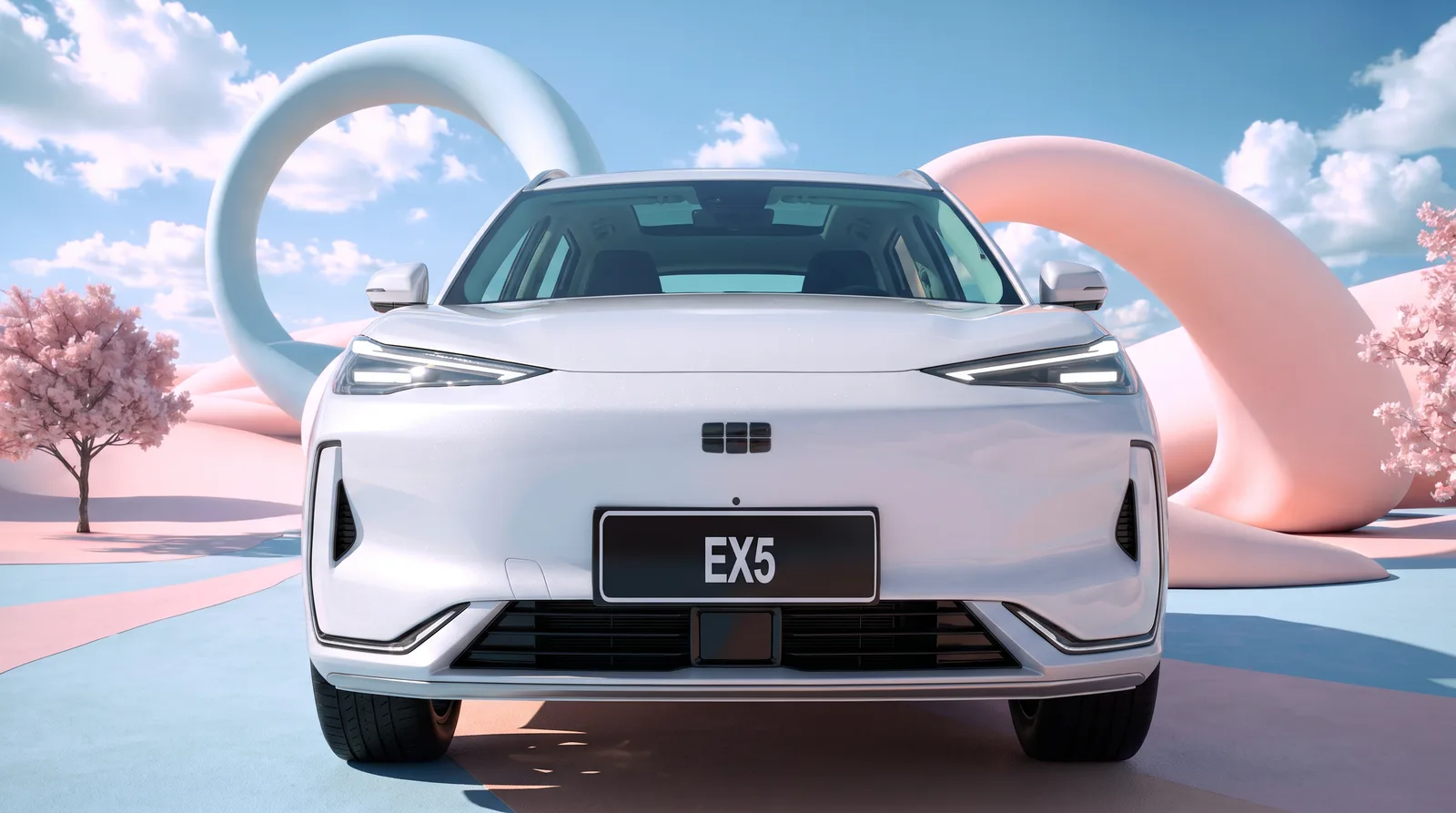
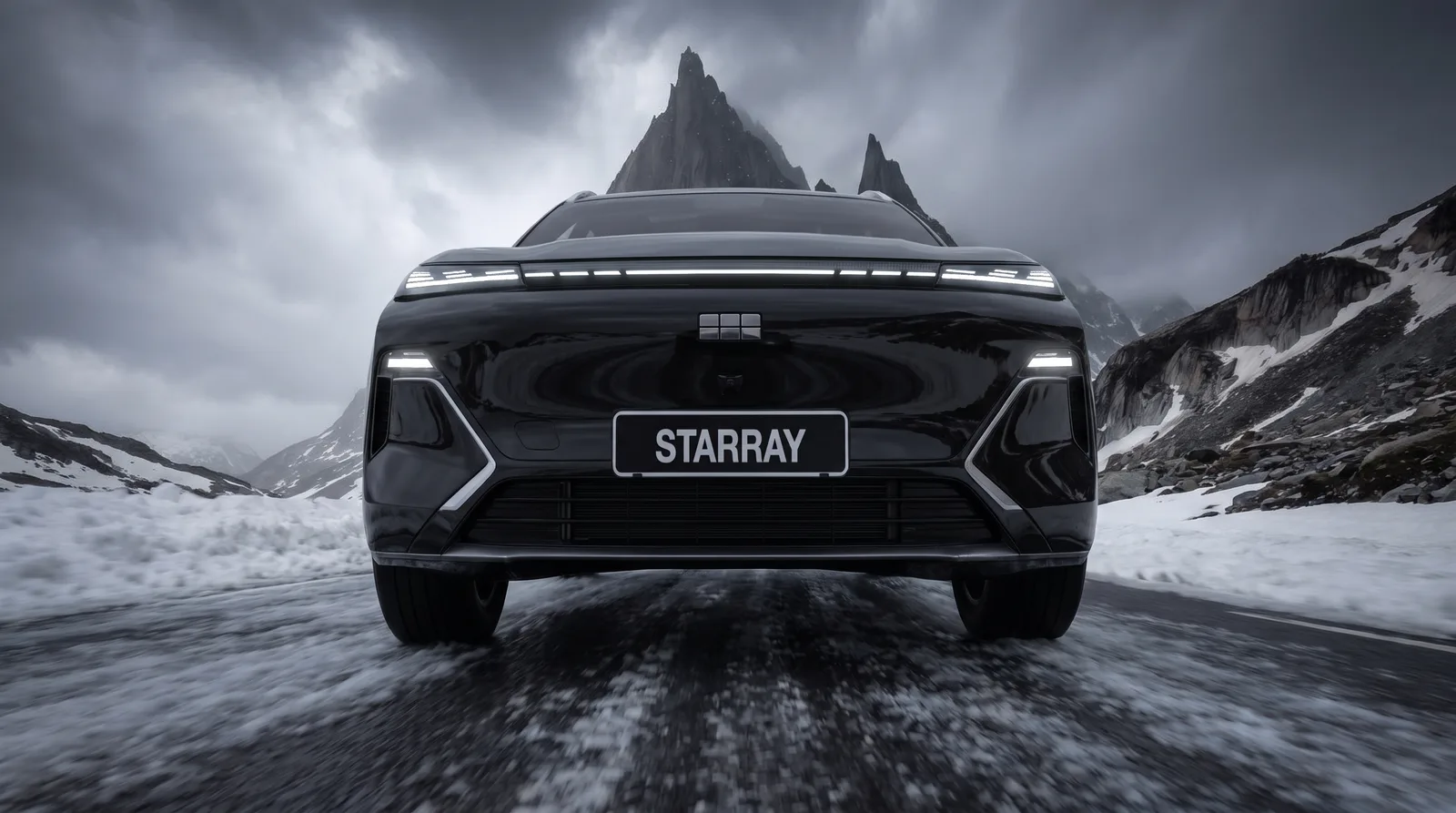
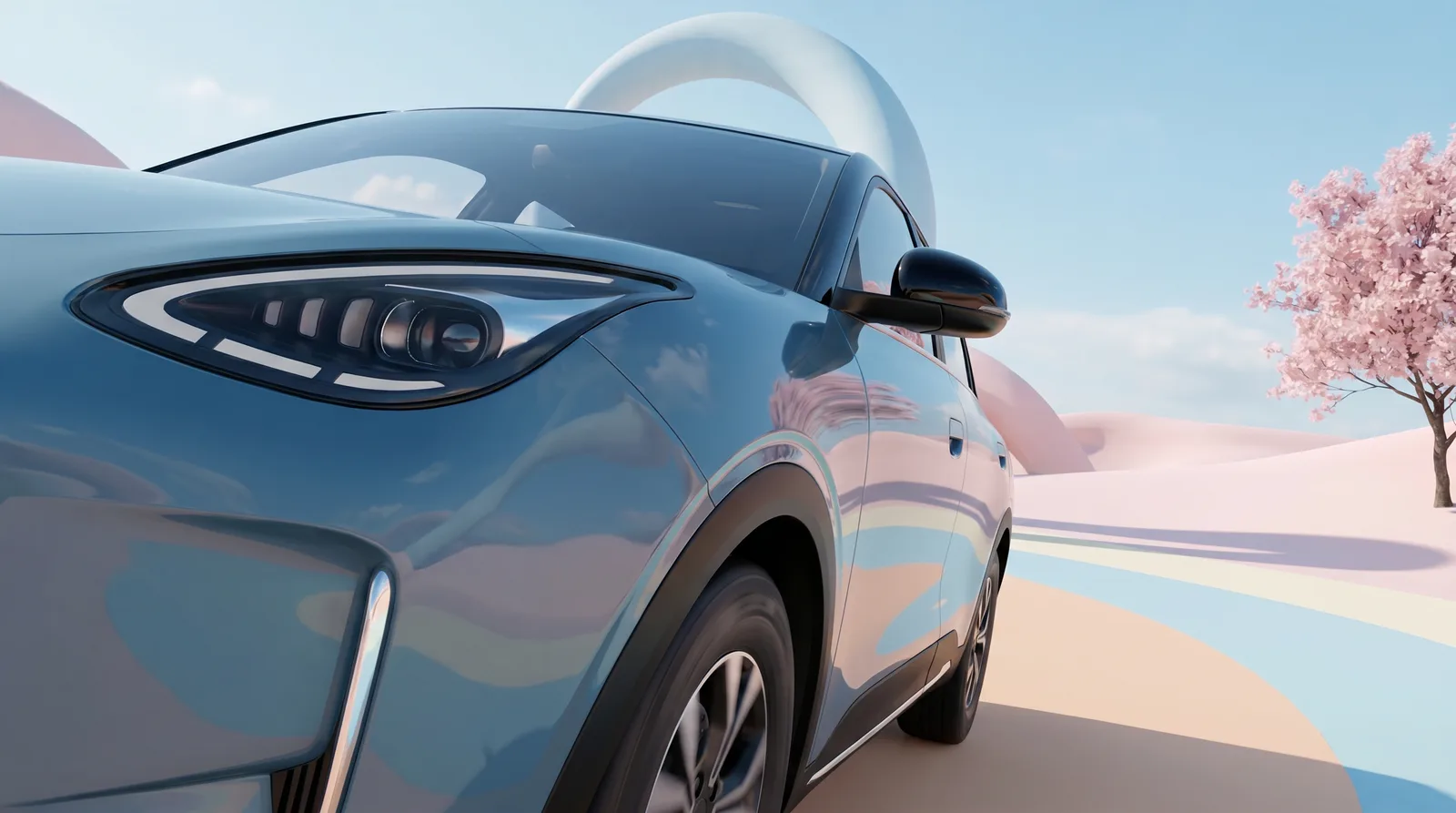
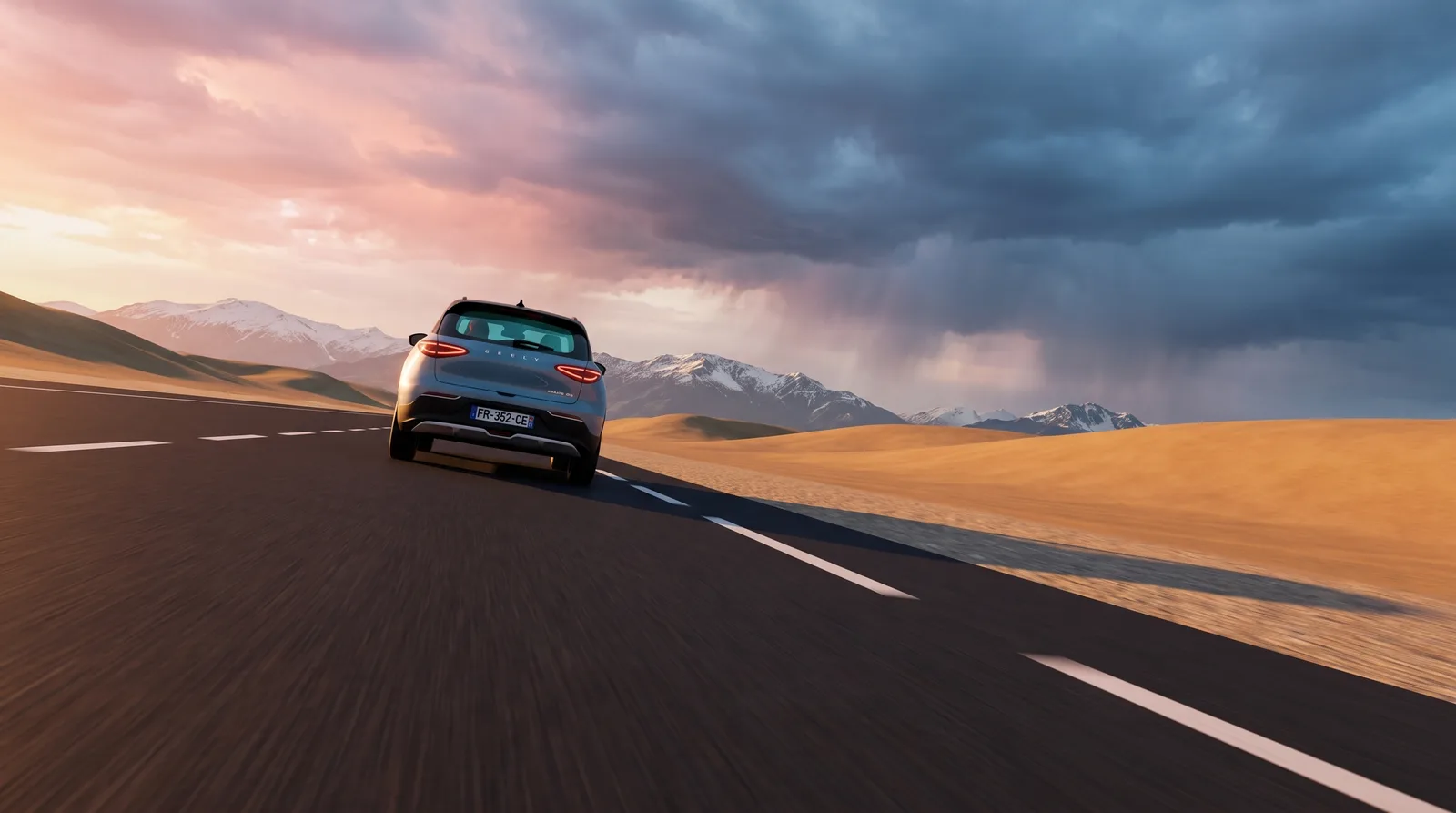
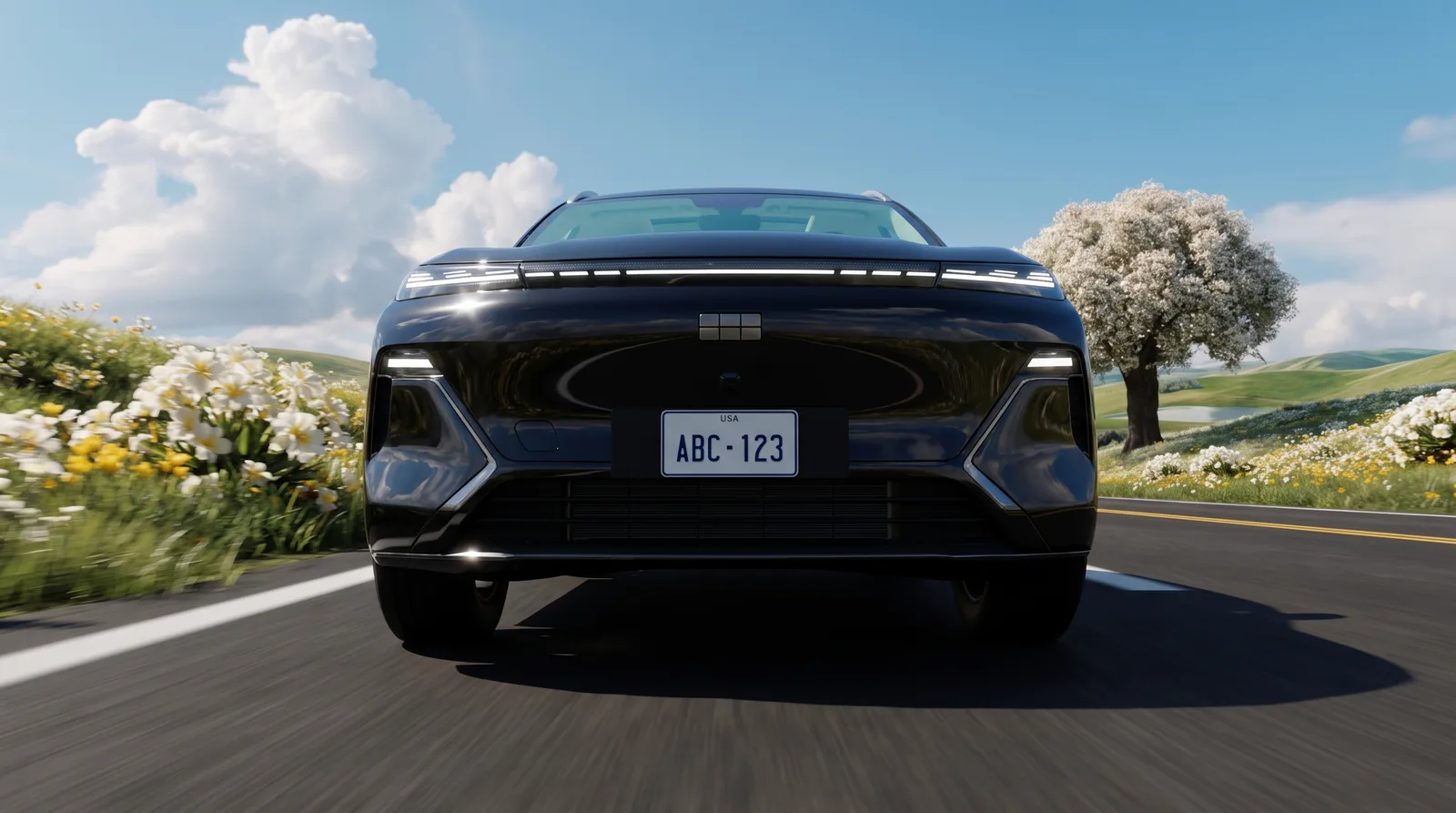
Take your model range. Multiply by trim levels. Multiply by live markets. Nobody shoots that number — the grid outruns the schedule long before it outruns the budget. This is a slice of the working archive: 517 finished frames, each one saved with the exact scene that made it, and restorable with a click.
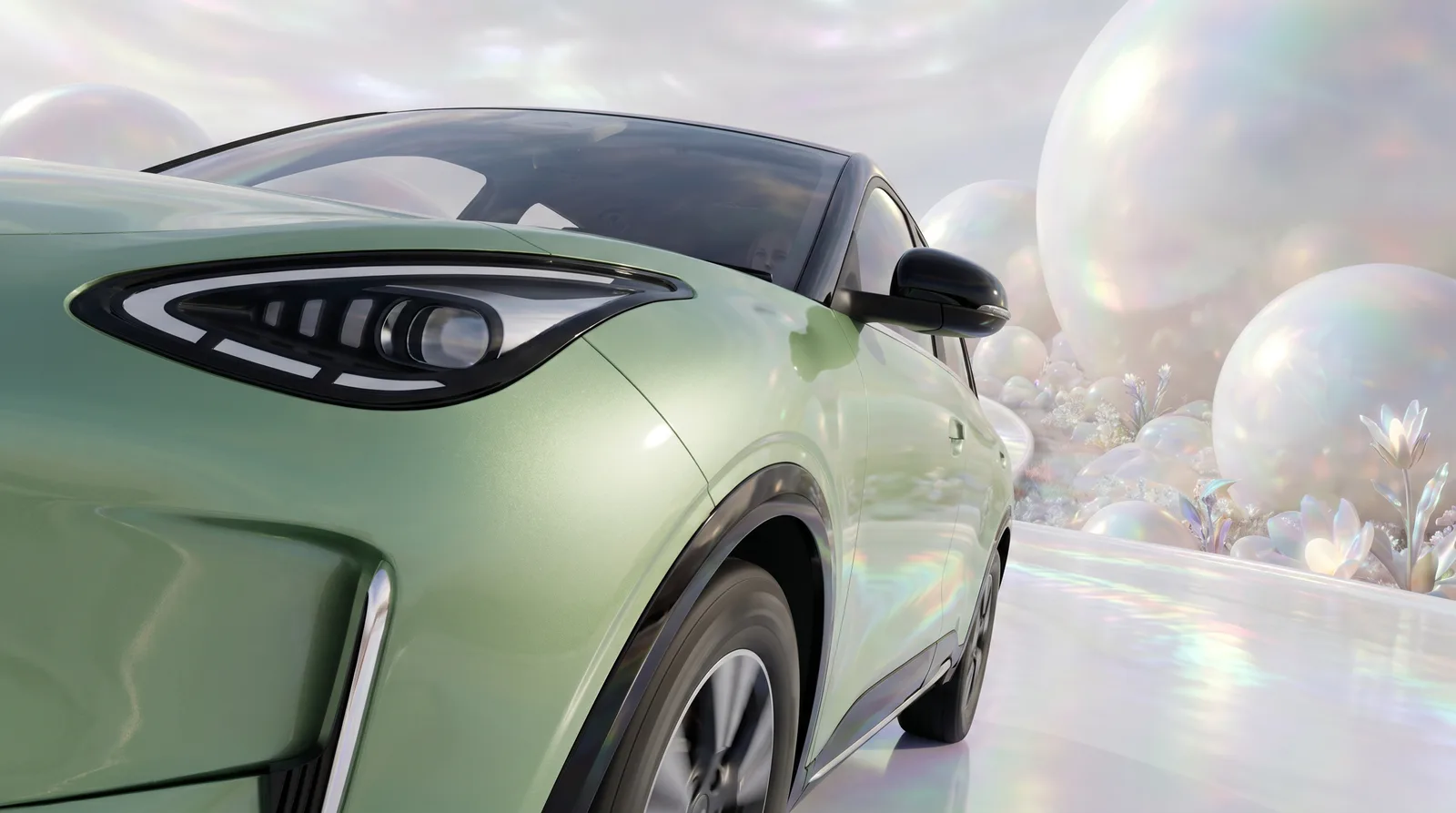
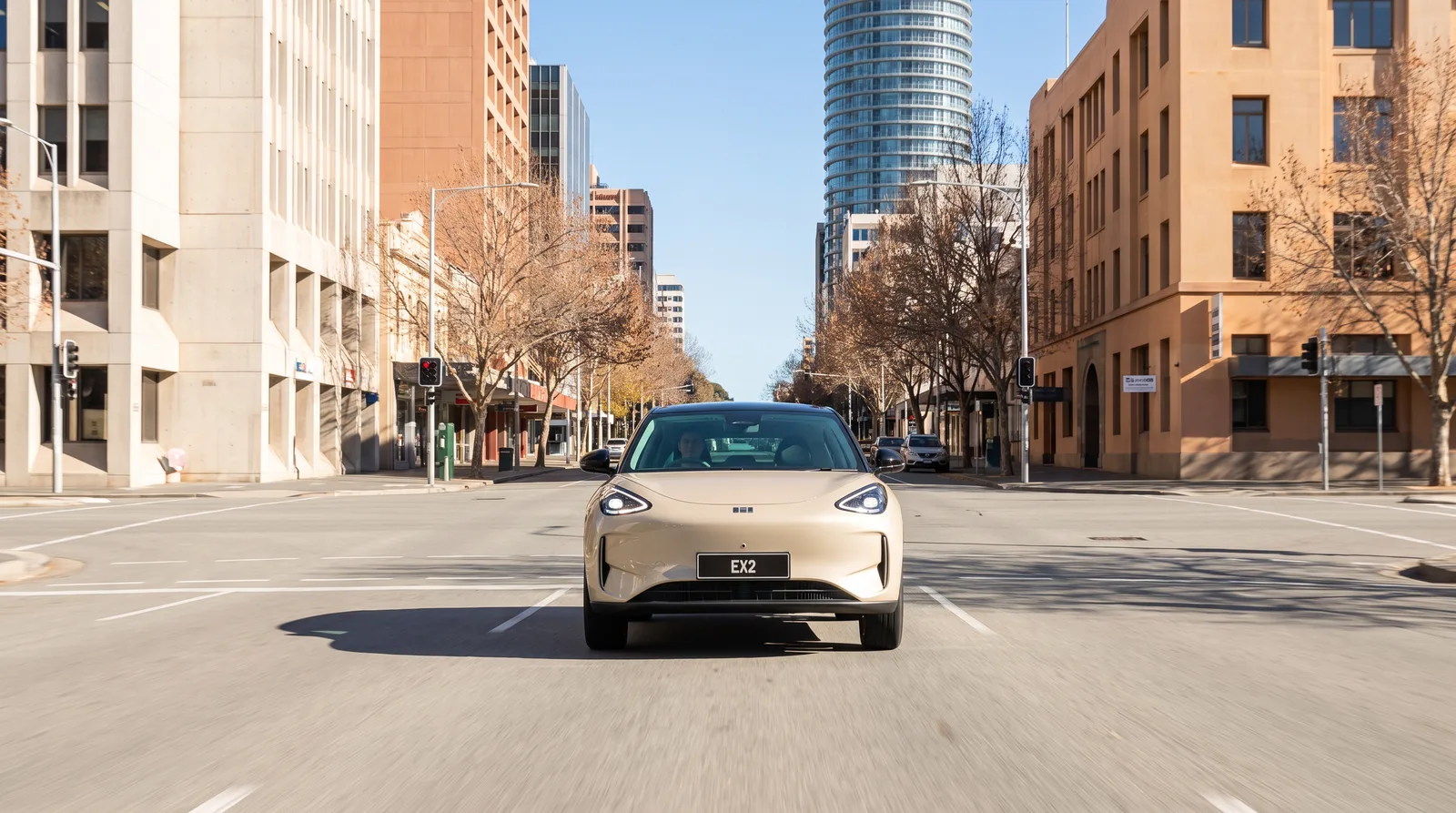
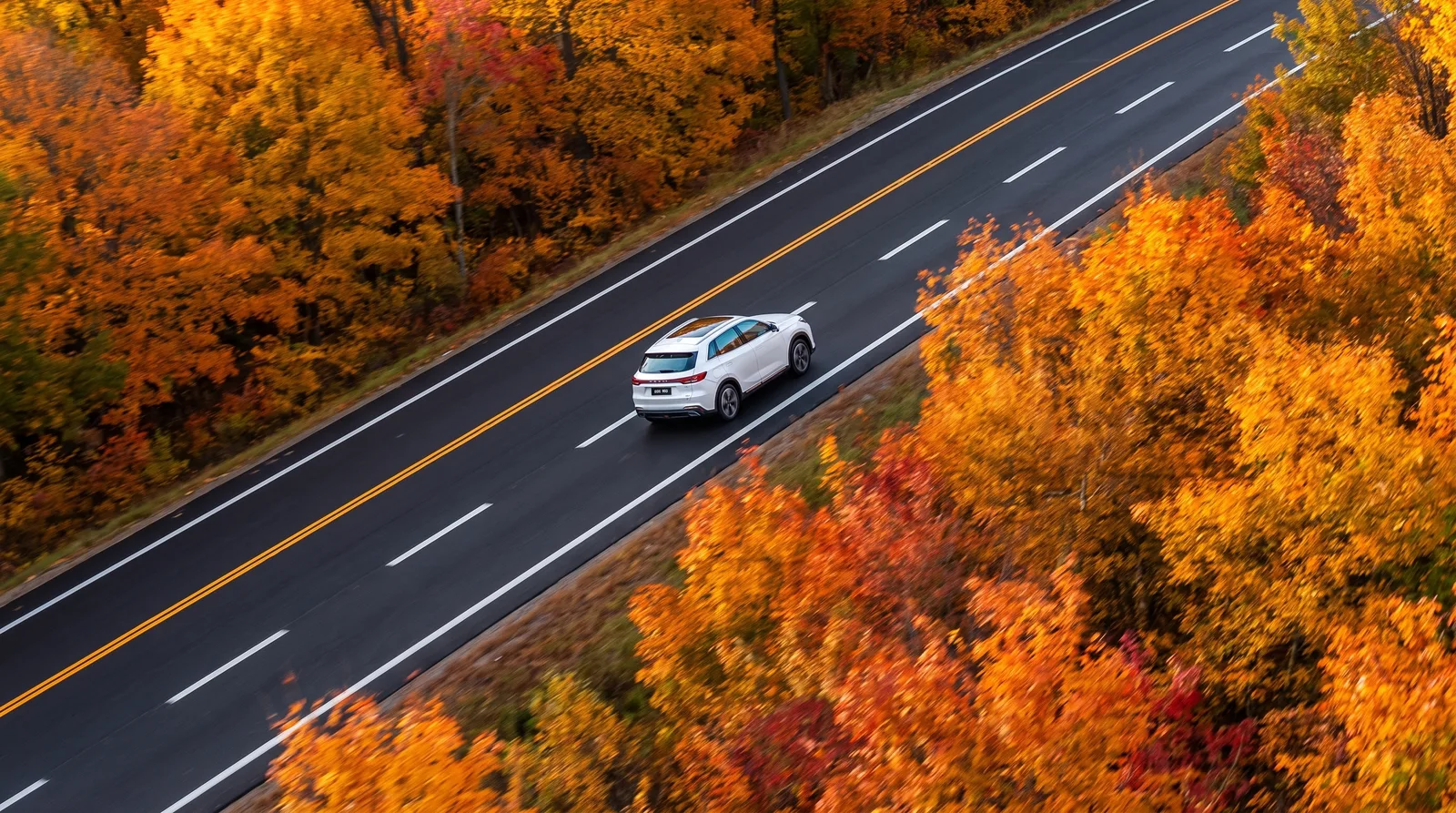
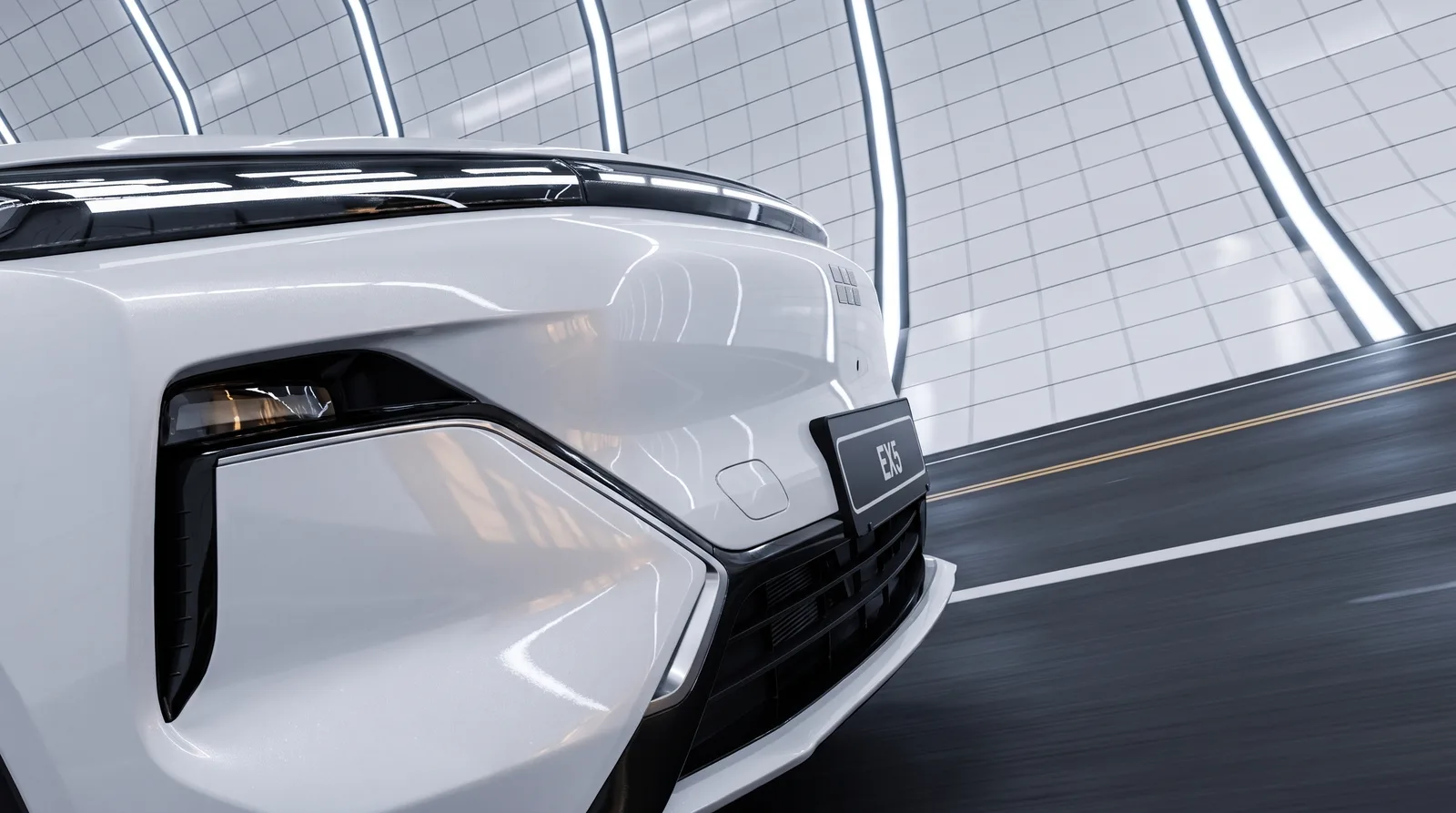
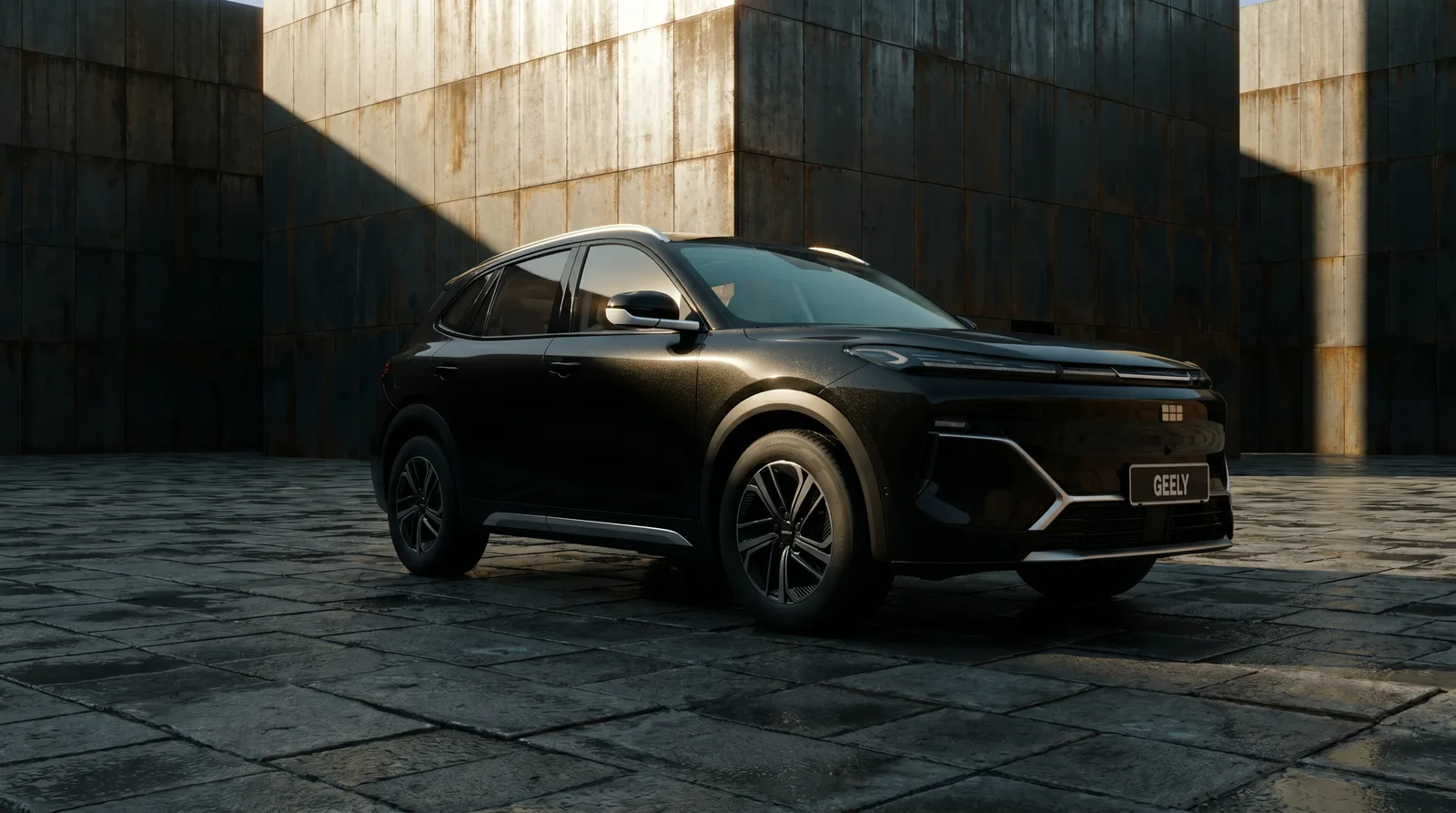
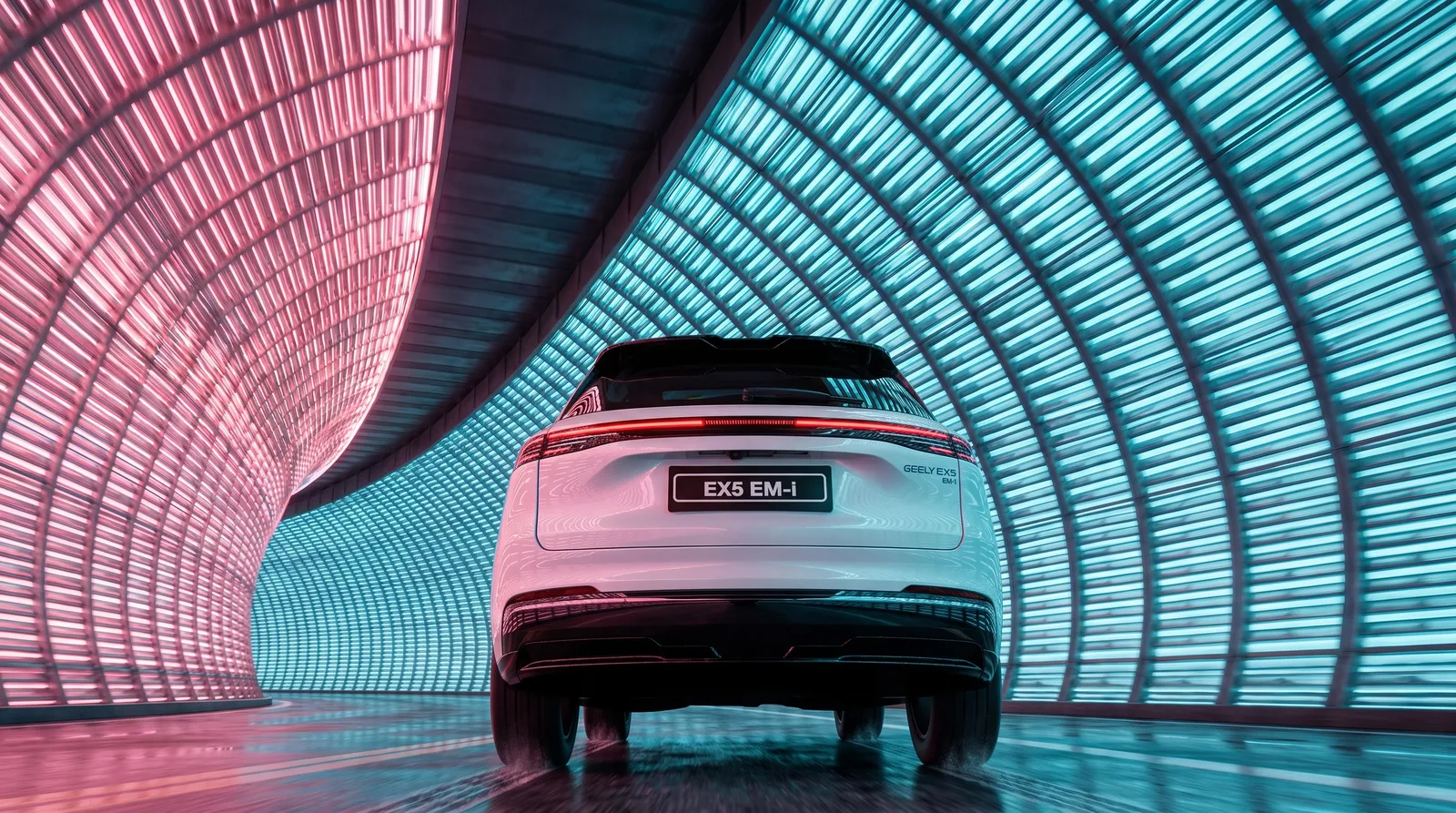
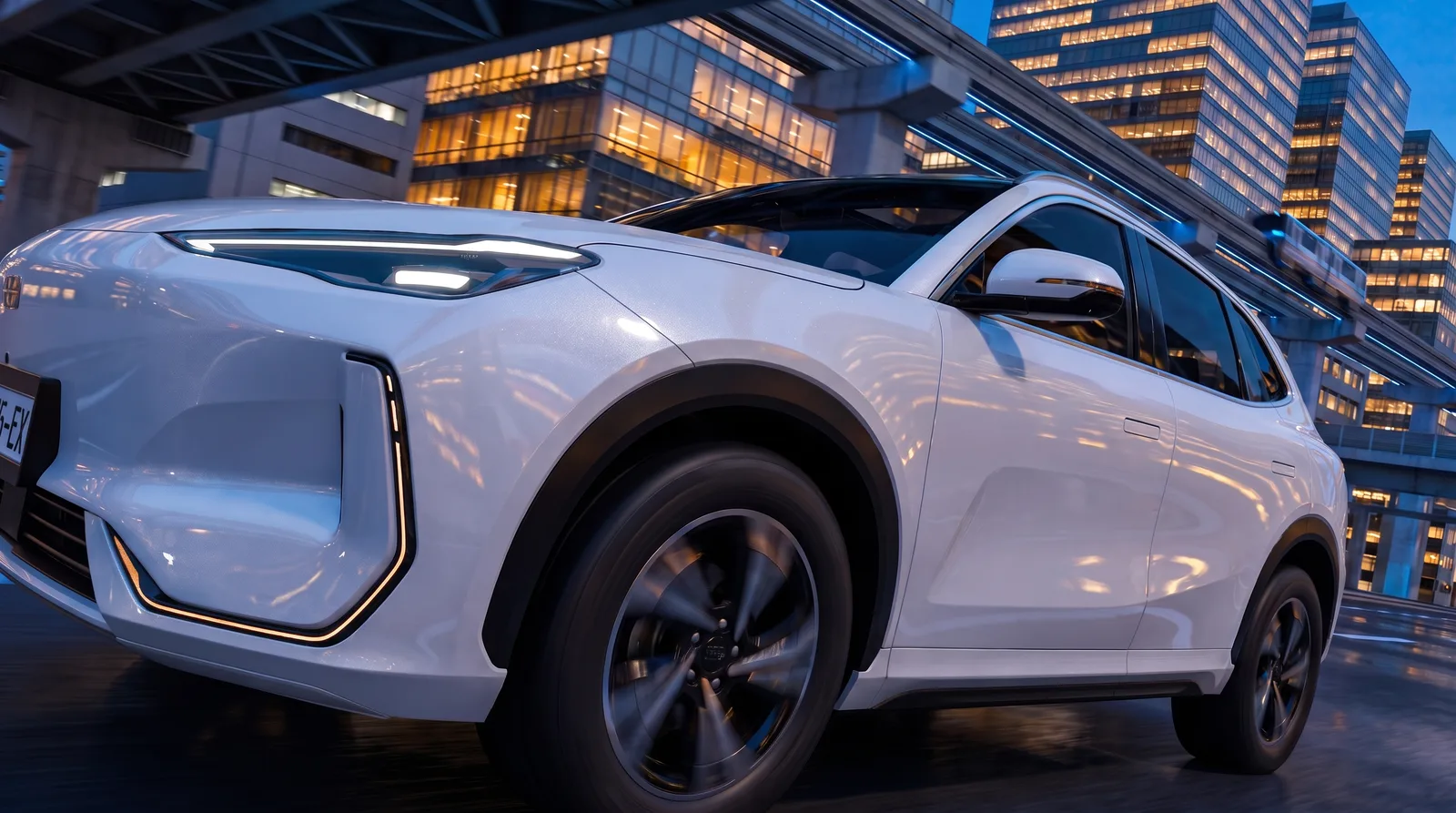
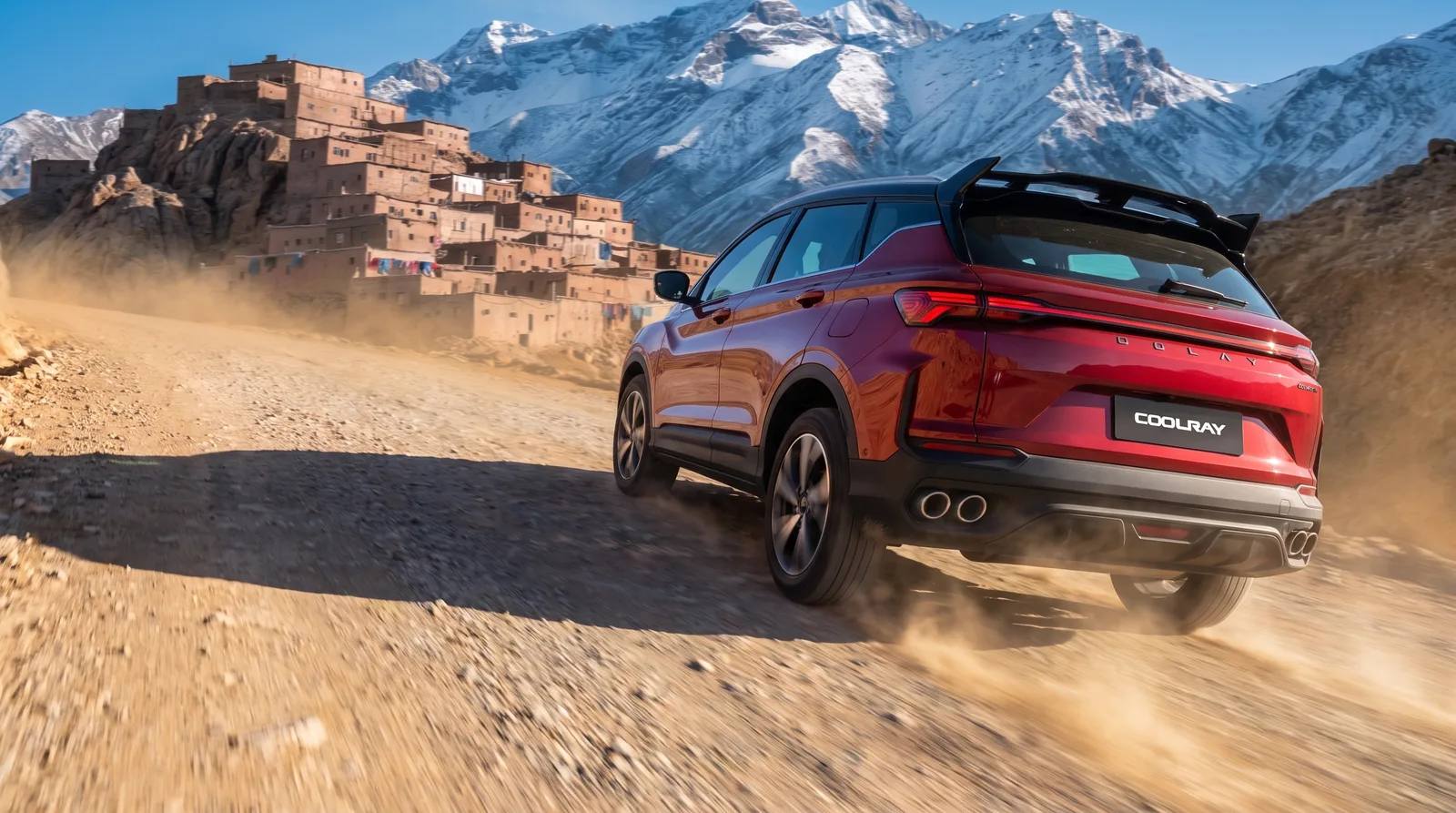
Under the hood
Engineered, not prompted.
Pictures beat words
An AI trusts the image it is given over any sentence that contradicts it. So when the words and the picture disagree, AutoGen changes the picture rather than rewording the request.
Measure it, don’t ask the AI
No AI is ever asked “is the badge visible?” The app measures the scene directly — the composition, the branding, whether the driver can be seen — and hands those facts to whatever writes the instructions.
Every shot can be run again
Every run saves its exact instructions and every reference image next to the result. When something doesn’t work, you change one thing and run it again — the way any experiment works.
The two-minute version
Watch it work.
AutoGen: Virtual Automotive Film Production — the whole pipeline, staged, directed and developed, in two minutes.
The offer
I run the first one.
The closed beta isn't a tool you have to learn. Bring a job you already have — a launch, a facelift, a market rollout — and I direct it on the pipeline myself. You get the frames. If they stand next to what you'd have shot or created in CGI, we talk about access.
All Cars Welcome
The AutoGen pipeline is product-agnostic. If you have a product with a 3D model and a marketing calendar, this is a conversation worth 20 minutes.
AutoGen is an independent project, built by Adrian Van de Velde — a commercial advertising director with 25 years at the production coal face.
I use AutoGen on every Ruse Pictures automotive production. AutoGen at Ruse Pictures
The Geely EX2, EX5, EX5 EM-i, Starray, Starray EM-R, and Coolray products shown are for demonstration purposes only. No affiliation with or endorsement of AutoGen by Zhejiang Geely Holding Group Co., Ltd. exists or is implied. All trademarks are property of their respective owners and are used solely for showcasing AutoGen's proprietary Virtual Automotive Still & Film Production technology.